Buying real estate in Netanya: a guide for English speakers
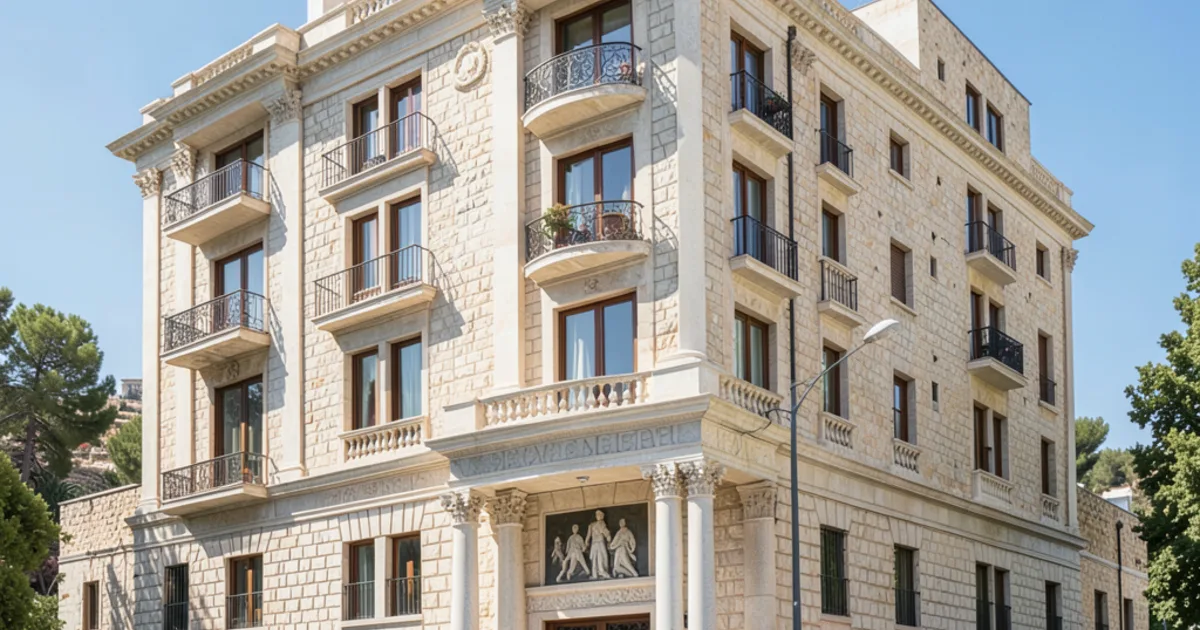
Netanya, a captivating city nestled along Israel's stunning Mediterranean coastline, has long been a beacon for English speakers seeking a blend of modern living, rich culture, and a strong sense of community. Its appeal extends beyond its beautiful beaches and bustling promenades, encompassing a thriving real estate market that offers diverse opportunities for both residents and investors. This in-depth guide is specifically tailored to address the unique considerations and provide actionable insights for English speakers embarking on their property journey in Netanya.
Quick answer: Netanya offers a vibrant coastal lifestyle ideal for French buyers, with a well-established international community and direct access to Tel Aviv. The city combines Mediterranean beaches with a lively urban environment, making it a practical and appealing choice for those seeking a new home in Israel.
- Why Netanya? The Allure for English Speakers
- Understanding the Netanya Real Estate Market: Types of Properties and Neighborhoods
- Navigating the Israeli Legal Framework: Key Terminology and Procedures
- Financing Your Purchase: Mortgages (Mashkanta) and Financial Considerations
- The Role of Real Estate Agents: Finding the Right Professional
- Due Diligence and Property Inspections: Ensuring a Sound Investment
- Relocation and Integration: Beyond the Purchase
- Investment Potential and Rental Market in Netanya
- Future Developments and Urban Planning in Netanya
Why Netanya? The Allure for English Speakers
Netanya's popularity among English speakers is not coincidental; it's a culmination of several compelling factors. The city boasts a significant and well-integrated English-speaking community, which facilitates an easier transition for newcomers. From synagogues and community centers catering to English speakers to an abundance of English-speaking professionals across various sectors, the infrastructure is firmly in place to support a comfortable lifestyle. This strong expatriate presence fosters a vibrant social scene and readily available resources, making Netanya feel like a home away from home.
Beyond the community aspect, Netanya offers a quality of life that is highly attractive. Its pristine beaches are a major draw, providing opportunities for relaxation, water sports, and leisurely strolls. The city's cultural landscape is dynamic, with numerous art galleries, theaters, and a burgeoning culinary scene. Furthermore, Netanya's strategic location, with excellent transport links to major cities like Tel Aviv and Haifa, makes it an ideal base for those who wish to explore the wider region of Israel while enjoying a more relaxed pace of life.
For investors, Netanya presents a robust and generally stable real estate market. The ongoing development of new residential projects, coupled with a consistent demand for housing, contributes to its attractiveness. The city's continuous growth in tourism also fuels the short-term rental market, offering potential avenues for income generation for property owners. The blend of lifestyle benefits and investment potential solidifies Netanya's position as a prime location for English-speaking buyers.
Understanding the Netanya Real Estate Market: Types of Properties and Neighborhoods
The real estate landscape in Netanya is diverse, offering a spectrum of property types to suit various preferences and budgets. Apartment buildings, ranging from older, more established structures to contemporary high-rises with modern amenities, constitute a significant portion of the market. These often feature balconies, shared facilities like gyms and swimming pools, and are particularly popular among those seeking a low-maintenance lifestyle. Detached and semi-detached homes, while less common in the city center, can be found in more suburban areas, offering greater space and privacy, often with gardens.
Netanya's neighborhoods each possess a distinct character. The beachfront areas, particularly along the promenade, are highly sought after for their proximity to the sea and vibrant atmosphere, often featuring luxury apartments with stunning views. Central Netanya offers a mix of residential and commercial properties, with easy access to shops, restaurants, and public transportation. Newer developments on the city's outskirts provide modern housing options, often with green spaces and family-friendly amenities. Understanding these distinctions is crucial for aligning your property search with your lifestyle and investment goals.
When considering properties, it's also important to factor in the potential for future development and infrastructure improvements in specific areas. Netanya is a city undergoing continuous evolution, with ongoing urban planning initiatives that can impact property values and quality of life. Researching these long-term plans can provide valuable foresight for potential buyers. Consulting with local real estate agents who specialize in different areas of Netanya can offer invaluable insights into the nuances of each neighborhood and its property offerings.
Navigating the Israeli Legal Framework: Key Terminology and Procedures
Purchasing property in Israel involves a distinct legal framework that differs from many Western countries. A crucial initial step is engaging a reputable Israeli real estate lawyer who is fluent in English and specializes in property transactions. This legal counsel will guide you through every stage, ensuring your interests are protected and all legal requirements are met. They will conduct due diligence, checking the property's registration with the Tabu (Land Registry), the official record of ownership and rights.
The transaction typically involves signing a preliminary agreement (Zichron Devarim), followed by a more comprehensive purchase agreement (Heskem Mekhira). It's imperative that you fully understand the terms of these documents, including payment schedules, conditions precedent, and any penalty clauses. The lawyer will also verify that there are no encumbrances, liens, or outstanding debts associated with the property. This thorough examination is critical to prevent future complications and ensure a clear title.
Other important legal aspects include understanding the concept of 'Mas Rekhisha' (Purchase Tax), which is a progressive tax on property acquisition, and 'Mas Shevach' (Capital Gains Tax), which applies to the seller but is important to be aware of. Your lawyer will explain the intricacies of these taxes and how they apply to your specific situation. The entire process culminates in the registration of the property in your name at the Tabu, officially transferring ownership. While complex, with the right legal guidance, the process is manageable and secure.
Financing Your Purchase: Mortgages (Mashkanta) and Financial Considerations
For most buyers, securing a mortgage, known as a 'Mashkanta' in Israel, is a vital part of the property acquisition process. Israeli banks offer various mortgage products, including fixed-rate, variable-rate, and indexed mortgages. The terms and conditions, including interest rates and repayment periods, can vary significantly between lenders. It is highly advisable to consult with a mortgage broker who specializes in the Israeli market and can compare offers from different banks to find the most suitable option for your financial circumstances.
Prospective buyers should be prepared to provide extensive financial documentation, including proof of income, bank statements, and credit history. For non-residents or those with income earned abroad, the requirements might be more stringent, and additional documentation may be requested. It's prudent to begin the mortgage application process well in advance of identifying a specific property, as pre-approval can strengthen your position as a buyer and streamline the overall transaction.
Beyond the mortgage itself, there are several other financial considerations. These include legal fees, real estate agent commissions (typically a percentage of the purchase price, paid by both buyer and seller), and potential renovation costs if you are purchasing an older property. It's crucial to budget for these additional expenses to avoid unexpected financial strain. Furthermore, factor in ongoing costs such as Arnona (municipal property tax), Va'ad Bayit (building maintenance fees), and utility bills. A comprehensive financial plan will ensure a smooth and sustainable property ownership experience in Netanya.
The Role of Real Estate Agents: Finding the Right Professional
Engaging a reputable real estate agent is often indispensable for English speakers navigating the Netanya property market. A good agent acts as your local guide, offering invaluable insights into neighborhoods, property values, and market trends. They should be fluent in English and possess a deep understanding of the specific needs and preferences of international buyers. Their expertise can save you significant time and effort in identifying suitable properties that align with your criteria.
When selecting an agent, look for someone with a proven track record, positive client testimonials, and a strong network within the Netanya community. It's advisable to interview several agents before making a decision, ensuring their communication style, professionalism, and understanding of your requirements are a good fit. A proactive agent will not only show you available properties but also provide guidance on making competitive offers and negotiating favorable terms.
Beyond property identification, a skilled agent can also assist with practical aspects, such as connecting you with reliable lawyers, mortgage brokers, and even contractors for potential renovations. They often act as a central point of contact, streamlining communication between various parties involved in the transaction. Remember that real estate agent commissions are standard in Israel, typically paid by both the buyer and the seller, so clarify these fees upfront.
Due Diligence and Property Inspections: Ensuring a Sound Investment
Thorough due diligence is paramount to a successful property purchase in Netanya. Your chosen lawyer will conduct legal due diligence, verifying ownership, zoning regulations, and any registered encumbrances. However, equally important is a physical inspection of the property. This involves engaging a qualified and independent property inspector (often referred to as a 'mehandes' or 'shamai' for a valuation) to assess the structural integrity, electrical systems, plumbing, and overall condition of the property.
The inspector's report will highlight any existing defects, potential maintenance issues, or areas requiring immediate attention. This information is invaluable for negotiating the purchase price or requesting that the seller address specific repairs before closing. For older properties, a detailed inspection is particularly crucial, as it can uncover hidden problems that might lead to significant expenses down the line. Do not rely solely on visual inspection; professional evaluation is a non-negotiable step.
Beyond structural issues, consider the property's immediate surroundings. Investigate noise levels, proximity to amenities, and future development plans for adjacent plots. Understanding the full context of the property, both internally and externally, contributes to a well-informed decision. This comprehensive approach to due diligence mitigates risks and helps ensure that your investment in Netanya real estate is sound and free from unpleasant surprises.
Relocation and Integration: Beyond the Purchase
Acquiring property is just one step in the broader journey of relocating to Netanya. For English speakers, the city offers a supportive environment for integration. There are numerous community organizations, cultural centers, and social groups specifically catering to Anglos, providing opportunities to connect, share experiences, and build a new social network. Ulpan (Hebrew language classes) are widely available and highly recommended for those wishing to immerse themselves more fully in Israeli life and culture.
Practical aspects of relocation include setting up utilities, understanding local transportation, and navigating the healthcare system. While many service providers and medical professionals in Netanya speak English, having local assistance or guidance during the initial setup phase can be incredibly beneficial. Your real estate agent or lawyer may be able to provide recommendations for reliable contacts in these areas.
Embracing the local culture, trying Israeli cuisine, and participating in community events will significantly enhance your experience. Netanya's welcoming atmosphere, coupled with its diverse population, makes it an ideal place for English speakers to not only find a home but also to truly integrate and thrive within Israeli society. The city prides itself on being a melting pot, and its English-speaking residents are an integral part of its vibrant tapestry.
Investment Potential and Rental Market in Netanya
Netanya's real estate market holds considerable appeal for investors, driven by consistent demand and the city's ongoing development. Properties in prime locations, especially those near the beach or with good access to amenities, tend to maintain their value and offer potential for appreciation over time. The city's growing tourism sector also supports a strong short-term rental market, particularly for furnished apartments.
For those considering rental income, understanding the local rental market dynamics is key. Rental yields can vary based on property type, location, and condition. Long-term rentals typically attract a steady stream of residents, while short-term holiday rentals can offer higher per-night rates but come with increased management responsibilities. Engaging a local property management company can be a wise decision for absentee owners, handling everything from tenant screening to maintenance.
It's important to factor in all associated costs when calculating potential returns, including property taxes, maintenance fees, insurance, and any management charges. While the market generally demonstrates resilience, like any investment, it carries inherent risks. A thorough analysis of market trends, coupled with expert advice, will help you make informed decisions regarding the investment potential of real estate in Netanya.
Future Developments and Urban Planning in Netanya
Netanya is a city on the rise, with ambitious urban planning initiatives designed to enhance its infrastructure, expand residential offerings, and further solidify its position as a desirable place to live and invest. Numerous projects are underway or in the planning stages, including new residential neighborhoods, commercial centers, and public spaces. These developments aim to cater to the city's growing population and its increasing appeal to both domestic and international residents.
Specific plans often include improvements to public transportation, the creation of new parks and green areas, and the modernization of existing infrastructure. Understanding these future developments can provide valuable insights for property buyers. For instance, purchasing in an area slated for significant infrastructure upgrades could potentially lead to appreciation in property value over time. Conversely, being aware of planned construction nearby might influence your decision regarding noise or view impacts.
Information on urban planning can typically be obtained from the municipal planning department or through local real estate professionals who are well-versed in the city's strategic development. Staying informed about these initiatives allows prospective buyers to make forward-looking decisions, aligning their property choice with Netanya's evolving landscape and long-term vision. The city's commitment to growth and improvement bodes well for its residents and property owners alike.
Your questions, answered.
What are the typical closing costs associated with buying property in Netanya for an English speaker?
Beyond the property's purchase price, buyers in Netanya should budget for several closing costs. These typically include Mas Rekhisha (Purchase Tax), which is a progressive tax based on the property value; legal fees for your Israeli real estate lawyer (often a percentage of the purchase price plus VAT); real estate agent commission (usually a percentage of the purchase price plus VAT, paid by both buyer and seller); and fees for registering the property at the Tabu. Additionally, there might be costs for a property inspection and potentially for a mortgage broker if you use one. It's crucial to get a detailed breakdown of all these anticipated costs from your lawyer and agent early in the process.
Can I obtain an Israeli mortgage (Mashkanta) if my income is primarily earned outside of Israel?
Yes, it is generally possible for non-residents or individuals with income earned abroad to obtain an Israeli mortgage (Mashkanta), but the process might involve more stringent requirements and documentation. Israeli banks will assess your financial stability and ability to repay the loan, often requiring extensive proof of income, bank statements from your home country, and a clear credit history. The loan-to-value ratio for non-residents might also be lower than for Israeli citizens, meaning you may need a larger down payment. Engaging a mortgage broker specializing in non-resident mortgages can significantly streamline this process and help you navigate the specific requirements of different Israeli banks.
What essential documents will I need to provide as an English speaker buying property in Netanya?
As an English speaker purchasing property in Netanya, you will typically need to provide a range of documents. These include your passport, valid visa (if applicable, though foreign ownership is generally permitted), and proof of identity. For financial aspects, you'll need bank statements, proof of income (such as salary slips or tax returns), and potentially a credit report from your country of origin if seeking a mortgage. Your Israeli lawyer will also require documents related to your marital status and any previous property ownership. It's always best to consult with your chosen Israeli real estate lawyer early to get a precise list of required documents tailored to your specific situation.
What is the significance of the Tabu in the Israeli property purchasing process?
The Tabu, which is the Israeli Land Registry, holds paramount significance in the property purchasing process. It serves as the official and legally binding record of all land and property ownership in Israel. When you purchase property, your lawyer will conduct a thorough check of the Tabu to verify the seller's legal ownership, ensure there are no registered liens, mortgages, or other encumbrances on the property, and confirm that the property's description matches the physical reality. After the transaction is complete, your ownership is officially registered in the Tabu, providing you with legal proof of title and security of your investment. Without proper registration in the Tabu, ownership is not legally transferred.
Get your personalised shortlist
Listings and up-to-date info, straight to your inbox, free, no obligation.
See Netanya homes →