Cost of living in Netanya: Arnona, maintenance, and utility fees
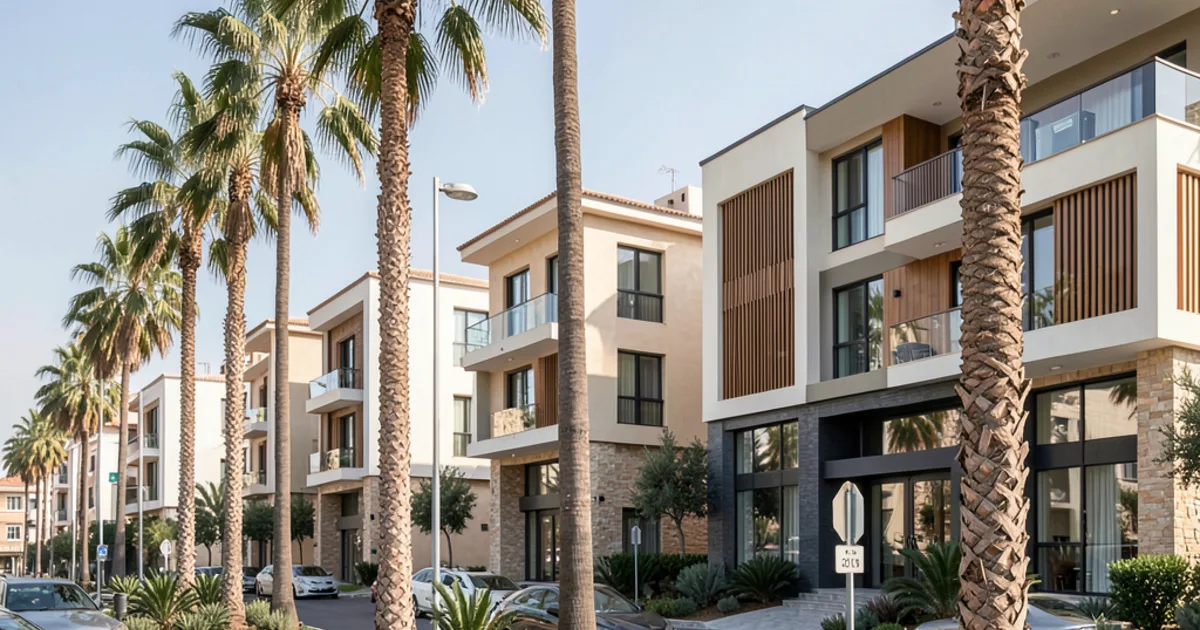
Netanya is widely celebrated for its stunning Mediterranean coastline and vibrant lifestyle, making it a top choice for both locals and international buyers. However, transitioning from a dreamer to a homeowner requires a sophisticated understanding of the local financial landscape. Beyond the initial sticker price of a property, there are various recurring and one-time expenses that can significantly impact your monthly budget. This guide provides an in-depth analysis of the true cost of living in Netanya, focusing on the essential fees and taxes you must prepare for.
Quick answer: The cost of living in Netanya is primarily driven by Arnona, which varies significantly based on property size and value. Additional recurring expenses include maintenance fees for apartment buildings, utility costs, and local service charges, all of which should be factored into your total monthly budget.
- Understanding Arnona: Netanya’s Municipal Property Tax
- One-Time Acquisition Costs: Mas Rekhisha and Legal Fees
- Monthly Building Maintenance: Navigating Va'ad HaBayit
- Essential Utilities: Water, Electricity, and Gas Management
- Neighborhood Variations: Comparing Ir Yamim to the City Centre
- Financing the Purchase: The Realities of Mashkanta
- The Importance of the Binding Memorandum in Budgeting
- Ongoing Ownership: Mas Shevah and Long-Term Taxes
- Lifestyle Expenses: Dining, Transport, and Daily Living
- Integration Costs: Ulpan, Schools, and Settling In
- Planning for the Future: Inflation and Property Upkeep
Understanding Arnona: Netanya’s Municipal Property Tax
When calculating your monthly budget, the first recurring expense you must account for is Arnona, the municipal property tax. This tax is levied by the Netanya municipality to fund essential local services such as waste management, street lighting, and the maintenance of public parks. Unlike a flat fee, Arnona is calculated based on several variables, including the total square footage of your residence and its specific zoning classification. Consequently, a luxury apartment in a seaside district will carry a different tax weight than a smaller unit in an older, inland neighborhood.
The calculation process is not purely based on size alone, as the municipality also considers the 'quality' of the area and the type of property. For instance, residential properties in premium areas like Ir Yamim or near the seafront are often assessed at higher rates than those in more central, urbanized districts. It is also important to note that commercial properties or mixed-use buildings may face different taxation structures. Prospective owners should always request the specific Arnona assessment for a property before finalizing any agreements.
To manage this cost effectively, it is helpful to understand how the municipality updates these rates over time. While the tax is a standard part of Israeli residency, it can fluctuate based on municipal decisions and local economic shifts. Budgeting for Arnona requires looking at the property's specific details rather than relying on general averages. Being proactive in this area ensures that your monthly cash flow remains predictable and stable.
To summarize the factors affecting Arnona, consider the following elements:
- Total square footage of the living space.
- The specific zoning category of the neighborhood.
- The property type (residential, commercial, or mixed-use).
- The proximity to premium coastal amenities.
One-Time Acquisition Costs: Mas Rekhisha and Legal Fees
The journey to homeownership begins with significant one-time costs that occur during the transaction phase. The most substantial of these is Mas Rekhisha, commonly known as the purchase tax. This tax is a mandatory government levy that scales based on the total purchase price of the property and your specific residency status. Whether you are a first-time buyer or an established resident, the tax tiers will dictate a significant portion of your initial capital outlay.
In addition to government taxes, you must budget for professional services that ensure the legality and security of your investment. Engaging a qualified lawyer is non-negotiable in the Israeli real estate market to navigate the complexities of the Tabu land registry. A lawyer will oversee the transfer of rights, ensure the property is free of liens, and manage the signing of the binding memorandum. While these fees are a necessary expense, they provide the legal protection required for such a large commitment.
Furthermore, you should anticipate costs related to the notary and the official registration processes. Notary fees are often required for various legal documents, and the actual registration within the Tabu system involves administrative costs. It is also common practice to pay a brokerage fee to the local agency that facilitated the sale. These fees are typically calculated as a percentage of the total transaction value, making them a major component of your upfront budget.
Key acquisition costs to prepare for include:
- Mas Rekhisha (Purchase Tax) based on price tiers.
- Legal fees for contract drafting and title search.
- Notary fees for official documentation.
- Brokerage commissions for real estate agencies.
- Registration fees for the Tabu land registry.
Monthly Building Maintenance: Navigating Va'ad HaBayit
Once you have moved into your Netanya home, your next regular expense will be the Va'ad HaBayit, or the building committee fee. This monthly contribution covers the shared costs of maintaining the building's common areas and infrastructure. In a well-managed building, these funds pay for cleaning services, elevator maintenance, lighting in hallways, and garden upkeep. The amount you pay is highly dependent on the type of building you reside in.
In modern, high-end developments found in areas like Poleg or the beachfront, the Va'ad HaBayit fees can be quite substantial. These luxury towers often include premium amenities such as swimming pools, fitness centers, underground parking, and 24-hour security services. Maintaining such high standards requires a significant monthly budget from every resident. While these amenities enhance your lifestyle, they also represent a permanent increase in your monthly cost of living.
Conversely, in older buildings in the city center or more traditional neighborhoods, the maintenance fees may be much lower. These buildings typically lack extensive shared facilities, focusing instead on basic upkeep like stairs and roof maintenance. However, owners in older buildings should be aware of the potential for 'special assessments' or one-off fees. These occur when the building requires major repairs, such as plumbing upgrades or structural work, which the regular monthly budget cannot cover.
Factors that influence Va'ad HaBayit costs include:
- Availability of shared amenities (pools, gyms, etc.).
- Presence of onsite security or concierge services.
- The age and structural condition of the building.
- The number of elevators and their maintenance requirements.
Essential Utilities: Water, Electricity, and Gas Management
Utility management is a fundamental aspect of daily life in Netanya that requires careful monitoring. Water usage is one of the most consistent expenses, typically billed through a municipal provider. In many Israeli households, water is billed based on consumption tiers, meaning that excessive usage can lead to higher unit costs. It is wise to consider water-efficient appliances to keep these monthly costs within a reasonable range.
Electricity is another major component of your utility budget, managed by the national provider. Residential electricity rates are standardized, but the amount you pay will fluctuate significantly based on your usage patterns. In the summer months, the use of air conditioning to combat the coastal heat can lead to much higher bills. Similarly, in the winter, heating requirements will impact your monthly expenditure. Understanding your peak usage times can help in managing these costs.
In many of Netanya's newer residential developments, central gas systems are common for cooking and water heating. These systems are often managed by a dedicated provider, and billing is typically based on the volume of gas consumed. While central gas can be more efficient, it adds another specific line item to your monthly utility checklist. Being aware of how these different systems operate will help you avoid unexpected spikes in your monthly expenses.
Typical utility considerations involve:
- Tiered water consumption rates.
- Seasonal fluctuations in electricity usage (AC and heating).
- Centralized gas systems in newer constructions.
- High-speed internet and telecommunications packages.
Neighborhood Variations: Comparing Ir Yamim to the City Centre
The cost of living in Netanya is not uniform; it varies significantly depending on which neighborhood you choose to call home. For instance, living in a premium coastal district like Ir Yamim offers a high-end, resort-style lifestyle characterized by modern architecture and proximity to the beach. However, this lifestyle comes with a premium price tag, including higher property values, higher Arnona, and more expensive Va'ad HaBayit fees. Residents here are essentially paying for the convenience and prestige of the location.
In contrast, the city center and neighborhoods like Kiryat HaSharon offer a more urban and traditional living experience. These areas are often more densely populated and may feature a wider variety of older, more affordable housing options. While the monthly maintenance fees might be lower, you may encounter different lifestyle costs, such as different parking arrangements or proximity to local markets. The cost of living here is often more aligned with a standard urban budget.
Intermediate neighborhoods like Nitza offer a middle ground, providing a balance between modern amenities and more traditional residential feels. When choosing a neighborhood, you must weigh the desire for luxury against your long-term financial comfort. It is not just about the purchase price; it is about how the neighborhood's specific cost structure fits into your overall lifestyle goals. A thorough comparison of local service levels and tax rates is highly recommended.
Neighborhood cost drivers include:
- Proximity to the coastline and luxury amenities.
- Density and age of the residential infrastructure.
- Local availability of services and transportation.
- The specific municipal tax zoning of the district.
Financing the Purchase: The Realities of Mashkanta
For most buyers, purchasing property in Netanya involves securing a Mashkanta, or a mortgage. This is a significant long-term financial commitment that requires careful planning and a deep understanding of interest rates. In Israel, mortgages can be structured in various ways, such as fixed-rate, variable-rate, or linked to inflation. Each structure carries its own set of risks and benefits, and choosing the wrong one can lead to unexpected increases in your monthly payments over time.
Beyond the monthly principal and interest payments, there are several ancillary costs associated with a Mashkanta. Banks typically require you to maintain specific insurance policies, including life insurance and building insurance, as part of the mortgage agreement. These premiums are an additional monthly expense that must be factored into your total housing budget. Failing to account for these can lead to a shortfall in your monthly liquidity.
Furthermore, the process of securing a mortgage involves its own set of upfront fees. You may need to pay for a professional property appraisal to satisfy the bank's requirements, as well as various administrative fees for processing the loan. It is also important to consider the impact of inflation on your mortgage, especially if you choose a loan that is linked to the Consumer Price Index (CPI). A well-structured financing plan is the foundation of a sustainable lifestyle in Netanya.
Mortgage-related expenses to budget for include:
- Monthly principal and interest payments.
- Mandatory life and building insurance premiums.
- Upfront bank processing and administrative fees.
- Professional property appraisal costs.
- Potential inflation-linked adjustments to the loan.
The Importance of the Binding Memorandum in Budgeting
A critical document in the Israeli real estate process is the Binding Memorandum, known locally as the Hoz Va'ida. This document serves as the preliminary agreement between the buyer and the seller before the final contract is signed. It outlines the essential terms of the sale, including the price, the closing date, and various conditions that must be met. For a buyer, the memorandum is a vital tool for uncovering potential hidden costs before they become legally binding.
One of the most important reasons to scrutinize the memorandum is to identify any upcoming building levies or special assessments. If a developer or a building committee has recently approved a major project, there may be upcoming fees that the new owner is responsible for. By reviewing the memorandum and asking the right questions, you can ensure that you are not walking into a financial obligation that was not previously disclosed. This level of due diligence is essential for protecting your investment.
The memorandum also clarifies the responsibilities regarding various taxes and fees. It should explicitly state who is responsible for the Mas Rekhisha, the brokerage fees, and any outstanding utility bills. A poorly drafted or vague memorandum can lead to disputes and unexpected legal costs later in the process. Working closely with a lawyer to ensure the memorandum is comprehensive and transparent is one of the best ways to manage your transition to Netanya.
Key elements to verify in the memorandum include:
- Clear definitions of all tax responsibilities.
- Disclosure of any upcoming building or renovation levies.
- Specific terms regarding the closing and handover dates.
- The exact conditions required for the transaction to proceed.
Ongoing Ownership: Mas Shevah and Long-Term Taxes
While the purchase tax is a one-time event, you must also be aware of the taxes that apply when you eventually decide to sell your property. Mas Shevah, or Capital Gains Tax, is a tax levied on the profit made from the sale of real estate. The amount of tax you owe depends on the duration of your ownership and whether the property is considered your primary residence. Understanding these rules is essential for long-term financial planning and asset management.
For many residents, if the property is their only home and they have lived in it for a certain period, they may be eligible for exemptions or reductions in Mas Shevah. However, these exemptions are subject to strict government regulations and specific criteria. If you are purchasing a second home or an investment property, you should expect to be subject to the full capital gains tax upon sale. This makes the timing of your exit from the market a significant financial decision.
In addition to capital gains, you should maintain a mindset of long-term property maintenance. Over time, even the most well-built homes in Netanya will require updates, repairs, or renovations. These costs are not just about aesthetics; they are about preserving the value of your asset. Budgeting a small percentage of your property's value annually for a maintenance fund can prevent a sudden financial strain when major repairs become necessary.
Long-term financial considerations include:
- Mas Shevah (Capital Gains Tax) upon property sale.
- Potential exemptions for primary residences.
- Annual funds for property upkeep and renovations.
- Impact of inflation on long-term asset value.
Lifestyle Expenses: Dining, Transport, and Daily Living
Living in a seaside city like Netanya offers a wonderful array of lifestyle opportunities, but these also come with their own set of costs. The dining scene in Netanya is diverse, ranging from casual local cafes to high-end restaurants overlooking the Mediterranean. While enjoying the local culinary offerings is part of the Netanya charm, frequent dining out can quickly become a significant portion of your monthly budget. It is helpful to balance these luxuries with home cooking and local grocery shopping.
Transportation costs also vary depending on your lifestyle and location. Many residents in premium areas like Ir Yamim may prefer the convenience of a private vehicle, which introduces costs for fuel, insurance, and parking. On the other hand, Netanya has various public transportation options and is relatively compact, making it possible to navigate certain areas without a car. However, you should always consider the time and cost implications of commuting to larger hubs like Tel Aviv.
Daily living expenses, including groceries and household goods, are generally consistent with the rest of the country but can vary based on your shopping habits. Shopping at large supermarket chains versus local markets will yield different price points and experiences. By planning your shopping and being mindful of your lifestyle choices, you can tailor your spending to match your personal financial goals while still enjoying everything Netanya has to offer.
Lifestyle cost categories to monitor include:
- Dining out and entertainment expenses.
- Private vehicle maintenance, fuel, and insurance.
- Public transportation and commuting costs.
- Grocery and household supply budgeting.
Integration Costs: Ulpan, Schools, and Settling In
For many newcomers to Netanya, the cost of integration is a vital part of the initial budget. Learning Hebrew is often a priority, and enrolling in an Ulpan (a Hebrew language school) is a standard step. While there are various levels of Ulpan programs, from intensive courses to part-time options, you should budget for tuition and study materials. Language proficiency is a long-term investment that facilitates smoother integration into the local community and economy.
Education for children is another significant factor for families relocating to the area. Netanya offers a range of schooling options, from public schools to private educational institutions. While public education is subsidized by the state, there may be additional costs for extracurricular activities, school trips, and specialized tutoring. If you are considering private or international schooling, these costs will be considerably higher and should be planned for well in advance.
Beyond language and education, there are general 'settling in' costs that often arise during the first few months of residency. This includes everything from moving services to setting up local utility accounts and purchasing essential household items. It is common to experience a spike in spending during this transition period. Having a dedicated 'integration fund' can help mitigate the stress of these initial, often unpredictable, expenses.
Integration expenses typically involve:
- Ulpan tuition and Hebrew language resources.
- Public or private school-related fees and activities.
- Moving and relocation services.
- Initial household setup and utility connection costs.
Planning for the Future: Inflation and Property Upkeep
A successful homeowner in Netanya looks beyond the immediate monthly bills and plans for the long term. One of the most important macroeconomic factors to consider is inflation. Inflation can affect everything from the cost of your grocery items to the interest rates on your Mashkanta and the rising costs of municipal services. Staying informed about the local economic climate allows you to adjust your budget proactively rather than reacting to sudden changes.
Property upkeep is another long-term necessity that requires foresight. As a property ages, the cost of maintaining its structural integrity and aesthetic appeal will naturally increase. This is particularly true for homes in coastal areas, where the salt air can accelerate the wear and tear on exterior surfaces and metal components. Creating a sinking fund, a dedicated savings account for major home repairs, is a hallmark of a responsible homeowner.
Finally, consider how your financial goals might evolve over the years. You may start with a modest apartment and eventually wish to upgrade to a larger home in a more premium neighborhood like Poleg. Understanding the relationship between your current costs and your future aspirations will help you manage your equity and savings effectively. Real estate in Netanya is a significant asset, and managing it with a long-term perspective is the key to lasting financial peace of mind.
Long-term planning focuses on:
- Mitigating the impact of inflation on recurring costs.
- Building a reserve fund for major property repairs.
- Managing property value through consistent upkeep.
- Aligning current housing with future lifestyle goals.
FAQ
How is Arnona calculated in Netanya?
Arnona is a municipal property tax calculated based on the size of your property and its specific zoning category. In Netanya, factors such as proximity to the coast and the type of building can influence the rate you pay.
What are the main one-time costs when buying a home?
The most significant one-time costs include Mas Rekhisha (purchase tax), legal fees for your lawyer, and notary fees. You should also budget for brokerage commissions and the costs associated with registering the property in the Tabu.
Do luxury apartments have higher maintenance fees?
Yes, buildings in premium areas like Ir Yamim often have higher Va'ad HaBayit fees. This is because they typically offer more amenities such as pools, gyms, and 24-hour security services.
What is the difference between Mas Rekhisha and Mas Shevah?
Mas Rekhisha is the purchase tax you pay when you buy a property, while Mas Shevah is the capital gains tax you pay when you sell it. Mas Shevah is calculated based on the profit made from the sale.
How does the neighborhood affect my cost of living?
Neighborhoods in Netanya vary significantly in terms of property values, Arnona rates, and maintenance fees. Coastal areas like Poleg generally have higher costs compared to more urban, central districts.
Get your personalised shortlist
Listings and up-to-date info, straight to your inbox, free, no obligation.
See Netanya homes →