How does the Israeli education system work, and what school options are there for families buying in Netanya's city centre?
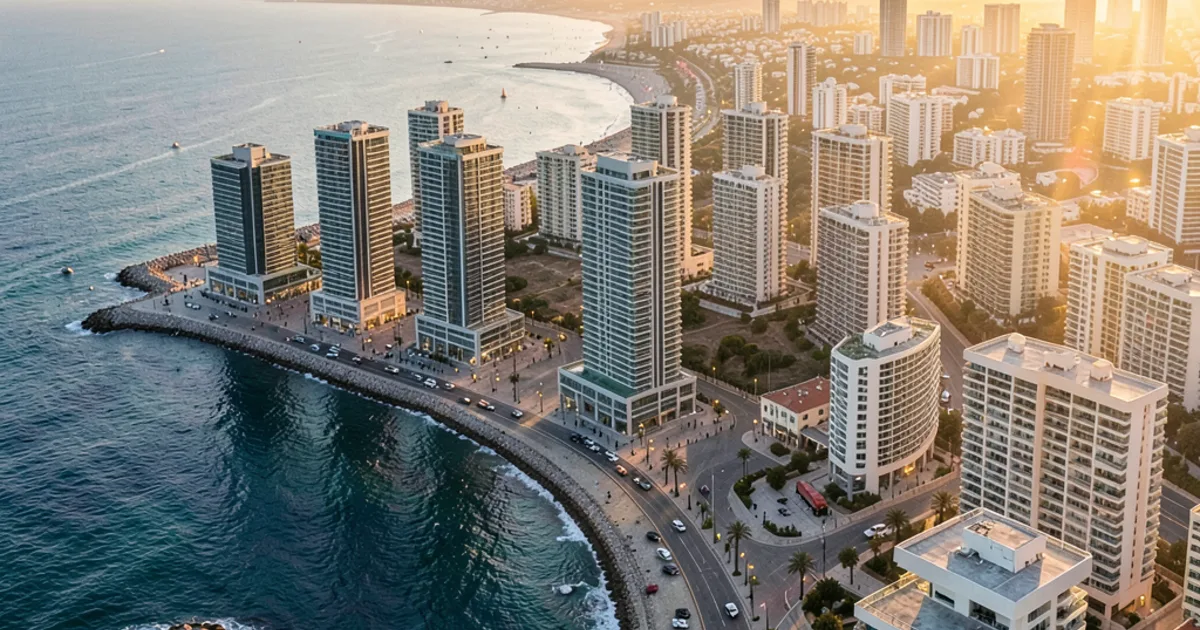
For many families, the decision to relocate to Netanya is driven by the coastal lifestyle, but the long-term success of that move often hinges on education. Whether you are eyeing a modern apartment in the city centre or a luxury residence near the seafront, understanding the nuances of the Israeli schooling system is vital. This guide provides a comprehensive overview of the educational tracks available and how to navigate them within the unique urban context of Netanya.
- The Fundamental Pillars of the Israeli Education System
- Navigating the Stages: From Early Childhood to the Bagrut
- Public vs. Private: Choosing the Right Path for Your Family
- The Role of the Ministry of Education and the Netanya Iriya
- Why Netanya's City Centre is a Strategic Choice for Families
- Specialized English-Language and International Schooling Options
- Language Integration: The Role of Ulpan and Hebrew Immersion
- Beyond the Classroom: Extracurricular Life in Central Netanya
- How School Proximity Influences Netanya Real Estate Values
- Essential Steps for Registering Your Children in Netanya
- Managing the Financial Aspects of Education and Local Living
The Fundamental Pillars of the Israeli Education System
The Israeli education system is built upon several distinct tracks that cater to different religious and secular values. The most common is the State track (Mamlachti), which provides a secular curriculum overseen by the Ministry of Education. For families seeking a religious foundation, the State-Religious track (Mamlachti Dati) offers a blend of standard academic subjects and religious studies. Understanding these distinctions is the first step for any family relocating to the Netanya area.
Beyond these two primary tracks, there are also specialized tracks for the Arab sector and various independent religious schools. Each track operates under different regulatory frameworks, though they all aim to prepare students for the national matriculation exams. Choosing the right track involves assessing your family's cultural values and your child's specific learning needs. This decision should be made well in advance of your move to ensure a smooth transition into the local community.
It is also important to recognize that the private sector in Israel can range from high-end international schools to smaller, community-focused institutions. Private schools often provide more flexibility in terms of language of instruction and extracurricular offerings. However, they also come with higher tuition costs that must be factored into your long-term household budget. Families often weigh the benefits of a specialized curriculum against the social integration offered by the state system.
- Mamlachti (State): Secular, standard curriculum.
- Mamlachti Dati (State-Religious): Secular academics with religious studies.
- Private/Independent: Specialized curricula and often English-language focus.
Navigating the Stages: From Early Childhood to the Bagrut
The educational journey in Israel begins with early childhood education, typically starting with Gan (kindergarten) and subsequent elementary years. In Netanya, these early years are crucial for language acquisition and social integration. The municipality provides various daycare and preschool options, but many families also look toward private preschools for specific pedagogical approaches. Establishing a routine early helps children adapt to the Hebrew-speaking environment.
As students progress into middle school and eventually high school, the academic rigor increases significantly. The goal for most students is to successfully complete the Bagrut, which is the national matriculation exam. These exams are essential for gaining admission to Israeli universities and higher education institutions. High school years are often characterized by a focus on specific tracks, such as science, humanities, or technology, allowing students to specialize early.
The transition between these stages can be a period of adjustment for both children and parents. In the city centre of Netanya, the proximity of various schools can make these transitions easier to manage logistically. However, it is important to understand that each level of schooling has its own set of requirements and social dynamics. Planning for these transitions requires careful research into the specific schools located within your chosen neighborhood.
Public vs. Private: Choosing the Right Path for Your Family
Choosing between public and private schooling is one of the most significant decisions a relocating family will make. Public schools in Netanya are highly regulated and offer a standardized level of education that is widely respected. They provide a sense of community and ensure that children are learning the core values and language necessary for life in Israel. For many, the public system is the most efficient way to integrate into the local culture.
Private schools, on the other hand, often cater to specific niches, such as international families or those seeking a more intensive English-language environment. These institutions may follow international curricula, such as the International Baccalaureate (IB), which can be advantageous for families planning to move to other countries in the future. While the academic benefits are clear, parents must consider the higher price point and the potentially smaller social circle compared to public schools.
When evaluating these options, it is wise to visit campuses and speak with current parents. The 'feel' of a school can be just as important as its academic reputation. In Netanya, the choice often comes down to whether you want your child to be deeply immersed in the Israeli experience or if you prefer a more globalized educational setting. Both paths offer unique advantages depending on your long-term family goals.
The Role of the Ministry of Education and the Netanya Iriya
The Israeli education system is governed by a dual-layered structure involving national and local authorities. The Ministry of Education (Misrad HaChinuch) sets the national curriculum, determines the standards for teacher certification, and manages the Bagrut exams. This ensures a level of consistency across the country, meaning a student moving from Tel Aviv to Netanya will encounter a similar academic framework. This stability is vital for families moving from abroad.
On the local level, the Netanya Municipality (Iriya) plays a crucial role in the daily operations of schools. The Iriya is responsible for the management of local school buildings, the allocation of municipal resources, and the coordination of local educational services. They also handle the registration processes for many of the city's public schools. Understanding how the local municipality operates can help you navigate the practicalities of school enrollment.
Communication between the Ministry and the Iriya ensures that national standards are implemented at the local level. For parents, this means that while the 'what' of learning is decided nationally, the 'how' and 'where' are often managed locally. When you are settling into your new home in Netanya, the local Iriya office will be one of your most important points of contact for all things related to your children's schooling.
Why Netanya's City Centre is a Strategic Choice for Families
For families prioritizing convenience, Netanya's city centre offers unparalleled advantages. The urban density means that many primary and middle schools are within walking or short cycling distance of residential buildings. This reduces the logistical burden of morning commutes and allows children to develop a sense of independence in an urban environment. Living centrally also places you near major transport hubs, making it easier to reach other parts of the country.
The city centre is also home to a wide array of amenities that complement a child's education. Libraries, museums, and community centers are often located within this central core, providing additional enrichment opportunities outside of school hours. This 'urban campus' feel is quite different from the more suburban residential areas like Ir Yamim or Poleg, where a car is often a necessity for daily errands. For the modern, busy family, the city centre offers a high degree of efficiency.
Furthermore, the central location provides easier access to specialized tutoring and language centers. If your child requires additional support in Hebrew or mathematics, these services are typically concentrated in the more populated central areas. While the city centre can be more bustling and noisy than the seafront, the trade-off in terms of accessibility and educational resources is often seen as a significant benefit for growing families.
- High density of schools within walking distance.
- Proximity to libraries and cultural enrichment centers.
- Easy access to private tutoring and language schools.
Specialized English-Language and International Schooling Options
For many expatriate families, finding an environment where English is spoken fluently is a top priority. While the primary goal for most should be Hebrew integration, there are specialized options in and around Netanya that offer English-language instruction or international curricula. These schools are designed to bridge the gap between a child's previous education and the Israeli system, making the transition less jarring.
These institutions often attract a diverse, international student body, which can be beneficial for children who are used to multicultural environments. The teachers in these schools are frequently bilingual or have international teaching experience. This can provide a level of comfort for students during the initial years of their relocation. However, it is important to ensure that these programs still provide enough Hebrew exposure to prevent long-term language gaps.
When researching these options, look for schools that offer a balanced approach. A school that provides a strong international curriculum but also integrates Hebrew and Israeli history will better prepare your child for life in the country. In the Netanya region, there are several such institutions that cater specifically to the needs of the global community, providing a high standard of education that meets international expectations.
Language Integration: The Role of Ulpan and Hebrew Immersion
Language is the most significant barrier and the most important tool for successful integration in Israel. While children often pick up Hebrew rapidly through social interaction, parents frequently face a steeper learning curve. This is where the concept of 'Ulpan' becomes essential. An Ulpan is a dedicated Hebrew language school designed to help newcomers achieve functional fluency. Many parents find that attending an Ulpan helps them communicate more effectively with teachers and school administrators.
For the children, immersion is the most effective method of learning. Whether they are in a state school or a private institution, the goal should be to maximize their exposure to the Hebrew language. This can be achieved through school activities, local clubs, and even the media. Families should encourage their children to engage with their peers in Hebrew as much as possible, even if it feels difficult at first, as this social connection is the engine of language acquisition.
It is also helpful to view language learning as a family-wide endeavor. When parents make an effort to learn Hebrew, it sets a powerful example for the children and demonstrates the importance of the local culture. This shared journey can actually strengthen family bonds as you navigate the challenges and successes of settling into a new society together. Integrating language learning into your daily life is a vital component of a successful move to Netanya.
Beyond the Classroom: Extracurricular Life in Central Netanya
Education in Israel extends far beyond the walls of the classroom. Extracurricular activities, often referred to as 'Hadracha' or organized after-school programs, are a staple of the Israeli lifestyle. In Netanya's city centre, there is a vibrant array of options ranging from sports clubs and dance academies to music schools and coding camps. These programs are essential for helping children build friendships outside of their immediate school cohort.
Many of these activities are organized through the local municipality or through private providers. For families living centrally, the ease of accessing these programs is a major benefit. Many children participate in organized sports leagues, which are a great way to learn teamwork and discipline while staying active. These clubs also serve as a social hub for parents, providing an opportunity to meet other families in the neighborhood.
When choosing extracurriculars, consider the balance between academic enrichment and physical activity. A well-rounded schedule that includes both a creative outlet and a physical challenge is often ideal for a child's development. Because the city centre is so well-connected, you can easily coordinate a schedule that allows your child to explore various interests without spending hours in transit.
- Sports clubs and municipal athletic programs.
- Music, art, and dance academies.
- After-school enrichment and tutoring centers.
How School Proximity Influences Netanya Real Estate Values
In the real estate market, location is everything, and proximity to quality schools is a primary driver of property value. When families are looking to purchase a home in Netanya, they often prioritize specific 'school zones' or neighborhoods known for having highly-rated educational institutions. This demand can lead to higher property prices in those specific areas, as buyers are willing to pay a premium for the convenience and the perceived quality of life.
This phenomenon is particularly evident in the city centre and in established residential areas. When you are negotiating a purchase, it is important to remember that the value of the property is tied not just to the building itself, but to the lifestyle it enables. For example, a well-maintained apartment near a top-tier primary school will likely hold its value better and be easier to resell than a similar unit in a less convenient location. This is a critical factor to consider when calculating your long-term investment.
When you are in the process of securing a Mashkanta (mortgage) or reviewing the binding memorandum for a property, you should account for these local market dynamics. A property located within a desirable school catchment area may require a larger down payment or a different approach to financing. Understanding the intersection of education and real estate will help you make more informed decisions during your property search in Netanya.
Essential Steps for Registering Your Children in Netanya
Once you have secured your residence in Netanya, the next priority is school registration. This process typically begins with the local Iriya (municipality). You will need to provide proof of residency, which usually involves a utility bill or a lease agreement. It is also essential to have all your child's previous educational records translated and ready for review. The municipality will then guide you through the process of assigning your child to a school within your designated zone.
If you are seeking a place in a private school or a specialized international program, the process is different. You will deal directly with the school's administration rather than the municipality. These schools often have their own application timelines and entrance assessments. It is highly recommended to start this process as early as possible, as popular schools can have long waiting lists, especially during the peak moving seasons.
Keep in mind that for many families, the transition involves more than just paperwork; it involves logistics. You may need to arrange transportation or coordinate with local daycare providers. Being organized and proactive during this stage will significantly reduce the stress of your relocation. Treat the registration process as a key milestone in your move, ensuring all documents are in order and all inquiries are made promptly.
Managing the Financial Aspects of Education and Local Living
While the Israeli state system is heavily subsidized, education is not entirely free. Parents should budget for various costs, including school-specific fees for materials, field trips, and special events. If you choose a private school, the tuition will be a much more significant line item in your household budget. It is wise to request a full breakdown of annual costs from any private institution before making a final commitment.
Another important financial consideration is the Arnona, which is the local municipal property tax. While Arnona is a standard cost for all residents, it is important to understand how it is calculated, as it is based on the size and type of your property. In many cases, the revenue from Arnona goes toward funding local services, including the maintenance of public schools and community centers. Understanding your local tax obligations is part of managing your overall cost of living in Netanya.
When planning your long-term finances, especially if you are using a Mashkanta to purchase your home, ensure you have a clear picture of all recurring educational and municipal expenses. This holistic view will prevent surprises and allow you to enjoy your new life in Netanya with greater financial confidence. A well-planned budget is the foundation of a successful and stable transition to a new country.
FAQ
Do I need to speak Hebrew to register my child in a Netanya school?
While you do not need to be fluent to complete the administrative registration, having some basic Hebrew or using a translator can be very helpful. The Netanya municipality often has staff who can assist in English, but the official documentation will be in Hebrew. It is best to prepare all your documents in advance to make the process smoother.
Get your personalised shortlist
Listings and up-to-date info, straight to your inbox, free, no obligation.
See Netanya homes →