Netanya beachfront real estate: the complete buyer's guide
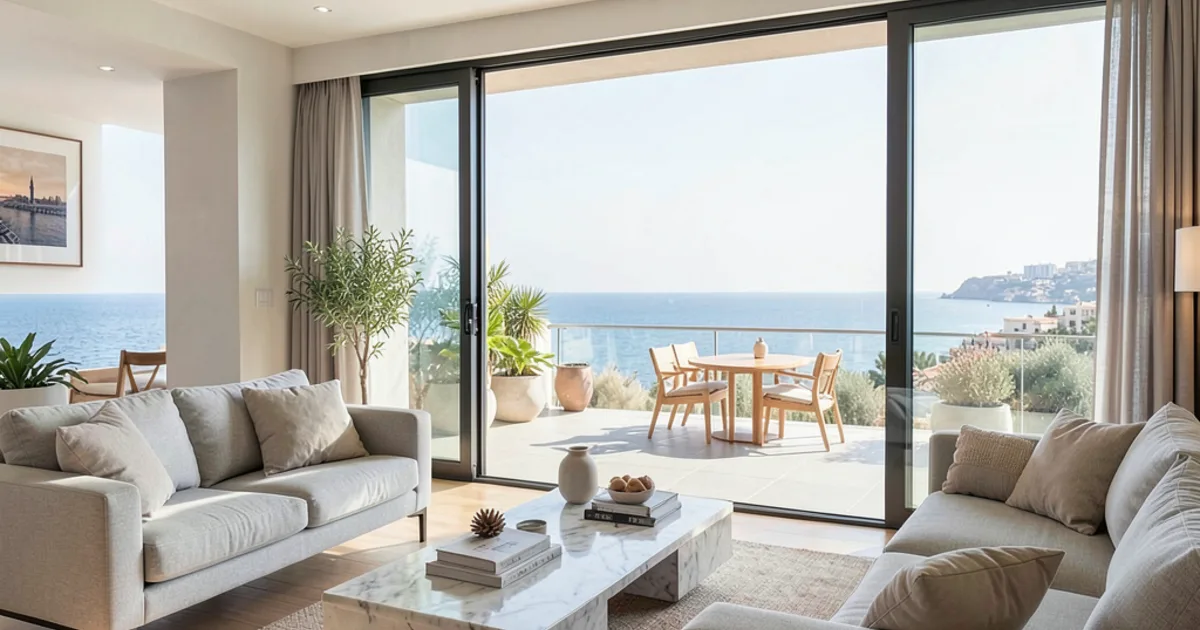
Netanya, a vibrant coastal city in Israel, has long captivated the attention of both local and international buyers, particularly those from the English-speaking diaspora seeking a luxurious lifestyle or a savvy investment. Its stunning Mediterranean coastline, burgeoning infrastructure, and unique blend of urban amenities with beachside tranquility make it a highly desirable location. This comprehensive guide delves into the nuances of the Netanya beachfront real estate market, offering invaluable insights for those contemplating a purchase in this coveted region.
Quick answer: Netanya offers a diverse range of beachfront properties, from modern apartments to luxury villas, directly facing the Mediterranean. This guide provides essential insights on pricing, legal requirements, and market trends to help you make an informed investment decision.
- Why Netanya Beachfront? A Lifestyle and Investment Perspective
- Navigating the Netanya Beachfront Property Market: What to Expect
- Legal and Financial Considerations for Overseas Buyers
- The Purchase Process: A Step-by-Step Overview
- New Developments vs. Resale Properties: Making the Right Choice
- Understanding Property Management and Maintenance for Overseas Owners
- Accessibility and Connectivity: Getting to and Around Netanya
- Future Outlook and Development Trends in Netanya Beachfront
- Choosing the Right Professionals: Your Team for Success
Why Netanya Beachfront? A Lifestyle and Investment Perspective
Netanya's beachfront offers a distinctive lifestyle that seamlessly blends the serenity of the sea with the vibrancy of city living. Imagine waking to the sound of waves, enjoying panoramic ocean views, and having direct access to pristine beaches and a developed promenade. This idyllic setting appeals to a diverse range of buyers, from those seeking a permanent residence with a high quality of life to those looking for a luxurious vacation home. The city boasts a thriving culinary scene, cultural attractions, and a welcoming community, making it a comfortable and engaging place to live.
Beyond lifestyle, Netanya beachfront properties represent a compelling investment opportunity. The demand for prime coastal real estate in Israel remains consistently strong, driven by both local economic growth and international interest. Properties in this area tend to hold their value well and often appreciate over time, offering potential for capital gains. Furthermore, the robust tourism sector in Netanya presents opportunities for rental income, especially for properties in desirable beachfront locations, making it an attractive option for investors seeking a return on their capital.
Navigating the Netanya Beachfront Property Market: What to Expect
The Netanya beachfront property market is characterized by a range of offerings, from elegant apartments in modern high-rises to more exclusive villas. While the supply of truly 'front-line' beachfront properties is finite, new developments occasionally emerge, offering contemporary designs and state-of-the-art amenities. Buyers can expect a diverse selection of floor plans, finishes, and building features, catering to various preferences and budgets. It's crucial to understand that properties directly overlooking the sea typically command a premium due to their unparalleled views and immediate beach access.
When exploring the market, buyers should be prepared for a competitive environment, particularly for highly sought-after units. Engaging with experienced local real estate agents who specialize in beachfront properties is highly recommended. These professionals possess an in-depth understanding of current market trends, available inventory, and the specific nuances of purchasing in Netanya. They can provide valuable guidance on pricing, property conditions, and upcoming developments, ensuring buyers are well-informed throughout their search.
Legal and Financial Considerations for Overseas Buyers
Purchasing real estate in Israel as an overseas buyer involves specific legal and financial considerations. It is imperative to engage with an Israeli lawyer specializing in real estate transactions, particularly those with experience assisting foreign clients. They will guide you through the entire process, including reviewing purchase agreements, conducting due diligence on the property and seller, and ensuring all legal requirements are met. Key legal aspects include verifying property registration in the Tabu (Land Registry) and understanding any existing liens or encumbrances.
Financially, overseas buyers should be aware of various taxes and fees. The 'Mas Rekhisha' (Purchase Tax) is a significant expense, levied on the purchase of real estate and varying based on residency status and property value. While there are certain exemptions and reduced rates for Israeli citizens, non-residents typically face higher rates. Additionally, buyers may consider obtaining a 'Mashkanta' (Mortgage) from an Israeli bank. While possible for non-residents, the terms and requirements can differ from those for Israeli citizens, often involving higher down payments and stricter eligibility criteria. It's advisable to consult with financial advisors and mortgage brokers who specialize in assisting foreign buyers in Israel.
The Purchase Process: A Step-by-Step Overview
The real estate purchase process in Israel, while similar in some aspects to other countries, has its unique characteristics. It typically begins with identifying a suitable property and submitting an offer. Once an agreement in principle is reached, a preliminary contract or 'Zichron Devarim' may be signed, outlining the basic terms of the sale. This is often followed by a more comprehensive 'Heskem Mekhira' (Purchase Agreement), drafted and reviewed by legal counsel.
Key steps in the process include:
{'ul': ["**Due Diligence:** Your lawyer conducts thorough checks on the property's legal status, zoning, and any potential issues.", '**Payment Schedule:** The purchase agreement will outline a payment schedule, often involving an initial deposit followed by installment payments.', '**Tax Payments:** Ensuring all applicable taxes, such as Mas Rekhisha, are paid in a timely manner.', '**Registration:** The final step involves registering the property ownership in your name at the Tabu (Land Registry).']}
Throughout this process, clear communication with your legal and real estate professionals is paramount to ensure a smooth and successful transaction. Understanding each stage and proactively addressing any questions will help mitigate potential delays or complications.
New Developments vs. Resale Properties: Making the Right Choice
When considering Netanya beachfront real estate, buyers face the choice between purchasing a new development or a resale property. New developments often boast modern designs, contemporary amenities, and the latest building technologies. They may offer attractive payment plans during the construction phase and the opportunity to customize certain finishes. However, buying off-plan requires patience, as completion dates can sometimes shift, and buyers are purchasing based on plans and renderings rather than a fully realized property.
Resale properties, on the other hand, offer immediate occupancy and the ability to inspect the actual unit before purchase. They can sometimes be more competitively priced, particularly if they require some renovation or updating. The character and established feel of older buildings can also be appealing to some buyers. However, resale properties may come with older systems or require maintenance, which should be factored into the overall cost. The decision between new and resale depends heavily on individual preferences, budget, and desired timeline for occupancy.
Understanding Property Management and Maintenance for Overseas Owners
For overseas owners, effective property management and maintenance are crucial to protecting your investment and ensuring peace of mind. Many property management companies in Netanya specialize in catering to foreign owners, offering a range of services. These can include handling rental agreements, managing tenants, collecting rent, overseeing maintenance and repairs, and addressing any issues that may arise. They act as a local point of contact, ensuring your property is well-looked after in your absence.
Choosing a reputable property management company is essential. Look for companies with a strong track record, transparent fee structures, and excellent communication skills. It's advisable to interview a few different companies, check references, and clearly define the scope of services you require. Regular communication and detailed financial reporting from your property manager will keep you informed about your investment's performance and condition, allowing you to enjoy the benefits of ownership without the day-to-day operational burdens.
Accessibility and Connectivity: Getting to and Around Netanya
Netanya's strategic location along Israel's central coast offers excellent accessibility and connectivity, a significant advantage for both residents and visitors. The city is well-served by major highways, providing convenient access to Tel Aviv and other major urban centers. This makes it an attractive option for those who may work in Tel Aviv but prefer the quieter, beachfront lifestyle of Netanya. Public transportation options, including bus services and a train station, further enhance connectivity within the city and to other parts of the country.
For international buyers, Ben Gurion International Airport (TLV) is easily accessible from Netanya, typically within a reasonable driving distance. This proximity is a major benefit for those traveling frequently to and from Israel. Within Netanya itself, the city is pedestrian-friendly in many areas, particularly along the promenade and near the beach. The existing infrastructure and ongoing development projects aim to further improve transportation links and ease of access, ensuring Netanya remains a well-connected and desirable location.
Future Outlook and Development Trends in Netanya Beachfront
The future outlook for Netanya beachfront real estate remains positive, driven by continued demand and strategic urban planning. The city has seen ongoing investment in infrastructure, public spaces, and cultural amenities, all of which contribute to its appeal. There are ongoing efforts to enhance the promenade, develop new public parks, and improve accessibility to the beaches, further solidifying Netanya's reputation as a premier coastal destination. These developments not only improve the quality of life for residents but also contribute to the long-term value appreciation of beachfront properties.
While strict regulations govern new construction along the coastline, ensuring the preservation of natural beauty, new projects occasionally emerge, offering modern living spaces with stunning views. The focus is often on sustainable development and integrating contemporary architecture with the natural environment. Buyers should stay informed about these potential new opportunities, as they often represent a chance to acquire a brand-new property in a highly sought-after location. The general trend indicates a steady and sustained interest in Netanya's coastal areas, promising continued stability and growth in the real estate market.
Choosing the Right Professionals: Your Team for Success
As an overseas buyer, assembling a trustworthy and experienced team of professionals is paramount to a successful real estate transaction in Netanya. This team typically includes a specialized real estate agent, a real estate lawyer, and potentially a mortgage broker and a property manager. Each professional plays a distinct yet interconnected role in guiding you through the complexities of the Israeli market.
When selecting your team:
{'ul': ['**Real Estate Agent:** Opt for an agent with demonstrable experience in Netanya beachfront properties and a strong understanding of the needs of diaspora buyers. Their local knowledge is invaluable.', '**Real Estate Lawyer:** Choose a lawyer specializing in real estate law in Israel, particularly one accustomed to working with foreign clients. Language proficiency and a deep understanding of Israeli property law are critical.', '**Mortgage Broker (Optional):** If you require financing, a broker specializing in Israeli mortgages for non-residents can help navigate the options and requirements.', '**Property Manager (Post-Purchase):** For investment properties, a reliable property management company is essential for handling day-to-day operations and tenant relations.']}
Thoroughly vet each professional, ask for references, and ensure clear communication channels are established. A well-coordinated team will streamline the process, protect your interests, and ultimately lead to a more positive buying experience.
Your questions, answered.
What are the typical tax implications for a non-resident purchasing beachfront property in Netanya, specifically regarding 'Mas Rekhisha'?
As a non-resident purchasing beachfront property in Netanya, you will typically be subject to 'Mas Rekhisha' (Purchase Tax). This tax is levied on the purchase price of the property, and the rates for non-residents are generally higher than those for Israeli citizens. The specific percentage can vary based on the property's value and the prevailing tax laws at the time of purchase. It's crucial to consult with an Israeli real estate lawyer or tax advisor who can provide precise figures and clarify any potential exemptions or special conditions that might apply to your specific situation, as tax regulations can be complex and subject to change.
How does the 'Tabu' (Land Registry) system work in Israel, and why is it important for an overseas buyer of Netanya beachfront real estate?
The 'Tabu' is Israel's official Land Registry, equivalent to a deed or title registry in other countries. It is the definitive record of property ownership, including details such as the property's legal description, ownership history, and any existing liens, mortgages ('Mashkanta'), or other encumbrances. For an overseas buyer of Netanya beachfront real estate, the Tabu is critically important because it legally confirms who the rightful owner of the property is. Your Israeli real estate lawyer will conduct thorough due diligence by examining the Tabu records to ensure the seller has clear title to the property and that there are no unforeseen legal issues that could affect your ownership. After a successful purchase, your ownership will be formally registered in the Tabu, legally establishing you as the new proprietor.
Can an overseas buyer obtain a 'Mashkanta' (mortgage) from an Israeli bank for a beachfront property in Netanya, and what are the general requirements?
Yes, it is generally possible for an overseas buyer to obtain a 'Mashkanta' (mortgage) from an Israeli bank for a beachfront property in Netanya, though the requirements and terms might differ from those for Israeli citizens. Banks typically assess the buyer's financial stability, credit history in their home country, and the specific property being purchased. You might be required to provide a larger down payment compared to Israeli residents, and the interest rates or repayment terms could also vary. The process usually involves demonstrating a stable income, providing documentation from your home country, and engaging with a mortgage broker or financial advisor who specializes in assisting non-resident borrowers in Israel. It's advisable to start this process early to understand your financing options and eligibility.
What are the typical ongoing costs associated with owning a beachfront apartment in Netanya, beyond the purchase price?
Beyond the initial purchase price, owning a beachfront apartment in Netanya incurs several ongoing costs. These typically include 'Arnona' (municipal property tax), which is paid to the local municipality and varies based on the property's size and location. You will also have 'Vaad Bayit' (building management fees), which cover the maintenance of common areas, elevators, cleaning services, and potentially amenities like swimming pools or gyms, common in beachfront developments. Other costs include utilities (electricity, water, gas), property insurance, and potentially a modest annual land lease fee if the property is on leased land (though less common for modern apartments). For overseas owners, property management fees (if you choose to hire a company) would also be an ongoing expense. It's prudent to budget for these recurring costs to ensure a comprehensive understanding of your financial commitment.
Get your personalised shortlist
Listings and up-to-date info, straight to your inbox, free, no obligation.
See Netanya homes →