Netanya real estate brokers
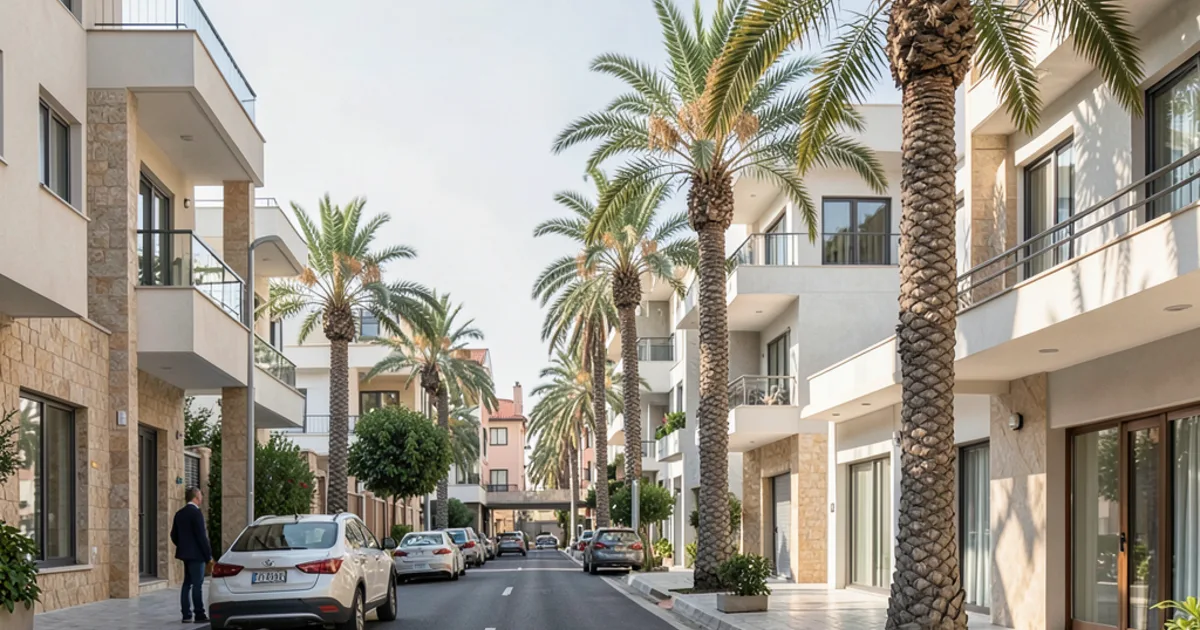
Netanya has long been a magnet for those seeking a sophisticated blend of Mediterranean lifestyle and urban convenience. However, for many international and local buyers, the transition from browsing listings to signing a binding memorandum can be a daunting journey. The complexity of the Israeli real estate market, characterized by unique taxation, specific legal registries, and highly localized neighborhood dynamics, necessitates professional guidance. Engaging the right Netanya real estate brokers is not merely a convenience; it is a strategic move to protect your investment and ensure a seamless transition into one of Israel's most beloved coastal cities.
- The Strategic Importance of Local Netanya Real Estate Brokers
- Categorizing Broker Expertise: Finding Your Perfect Match
- Navigating Netanya’s Diverse Neighborhoods and Micro-Markets
- The Legal Framework: Working with the Tabu and Legal Professionals
- Navigating Financial Obligations: Taxes, Mortgages, and Ongoing Costs
- Essential Vetting Strategies for Prospective Buyers
- The Role of the Broker in High-Stakes Negotiations
- Common Pitfalls and How to Avoid Them in the Israeli Market
- Beyond the Sale: Settling into the Netanya Lifestyle
- Primary Market vs. Secondary Market: Choosing Your Path
- The Step-by-Step Lifecycle of a Netanya Property Purchase
The Strategic Importance of Local Netanya Real Estate Brokers
Navigating a coastal city like Netanya requires more than a general understanding of property values; it requires an intimate knowledge of micro-markets. A local broker understands that a property in the prestigious Ir Yamim area carries a different lifestyle profile and investment trajectory than a unit in the bustling city center. They possess the nuance to explain why certain streets command higher premiums or how proximity to the beach affects long-term appreciation. This granular level of insight is often unavailable through standard online listing platforms.
Furthermore, the cultural and linguistic nuances of the Israeli market can present significant hurdles for many buyers. Local brokers act as more than just facilitators; they serve as cultural intermediaries who can decode the subtle signals used during negotiations. They understand the local etiquette and the specific ways in which property owners and developers communicate. This expertise helps prevent misunderstand down the line, ensuring that your intentions are clearly understood by all parties involved.
Beyond the immediate transaction, a dedicated broker provides access to a network of professionals and off-market opportunities. Many of the most desirable properties in Netanya never actually reach the public portals, instead moving through private networks of established agencies. By working with a broker who has deep roots in the community, you gain a window into these exclusive opportunities. This access can be the difference between finding a standard apartment and securing a unique seafront residence that meets your exact specifications.
- Access to off-market property listings
- In-depth knowledge of micro-market trends
- Cultural and linguistic mediation
- Connection to local professional networks
Categorizing Broker Expertise: Finding Your Perfect Match
Not all real estate professionals in Netanya offer the same service model, and identifying the right specialization is crucial for your success. Some brokers focus exclusively on the luxury seafront market, specializing in high-end penthouses and expansive villas in areas like Poleg or Ir Yamim. These agents are accustomed to working with high-net-worth individuals and understand the specific requirements of premium real estate, such as high-specification finishes and exclusive amenities.
Conversely, you may encounter brokers who specialize in the investment or rental market. These professionals focus on high-yield opportunities, often looking at smaller units in the city center or urban residential areas. They are experts in calculating potential returns, understanding local rental demand, and identifying properties that offer the best value for long-term capital growth. If your goal is to build a portfolio rather than find a family home, these specialists are indispensable.
There are also residential specialists who focus on the family-oriented neighborhoods such as Nitza or Kiryat HaSharon. Their expertise lies in understanding the needs of growing families, including proximity to schools, parks, and local amenities. They prioritize long-term stability and community fit over rapid turnover. Choosing a broker whose expertise aligns with your primary objective, be it luxury, investment, or residential stability, will significantly streamline your search process.
- Luxury Seafront Specialists
- Investment and Rental Market Experts
- Residential and Family-Oriented Agents
Navigating Netanya’s Diverse Neighborhoods and Micro-Markets
Netanya is a city of diverse identities, and understanding these distinctions is the first step in a successful search. The seafront areas, particularly Ir Yamim and parts of Poleg, represent the pinnacle of modern, upscale living. These neighborhoods are characterized by contemporary architecture, high-rise buildings with ocean views, and a sense of exclusivity. They are ideal for those seeking a resort-style atmosphere, though they often come with higher entry points and different community dynamics.
For those seeking a more traditional or suburban feel, neighborhoods like Nitza and Kiryat HaSharon offer a different experience. These areas are often preferred by families due to their established infrastructure, local schools, and quieter residential streets. While they may lack the immediate proximity to the beach found in the luxury sectors, they offer a sense of community and stability that is highly valued by long-term residents. The pace of life here is often more measured and community-focused.
The city center and the older parts of Netanya provide a completely different urban energy. This area is often characterized by a mix of residential, commercial, and retail activity, making it a hub for urban dwellers and investors alike. While the infrastructure may be older, the convenience of being within walking distance of shops, services, and transport links is a significant draw. This area is ideal for those who want to be at the heart of the city's daily rhythm and are looking for high rental potential.
- Ir Yamim & Poleg: Luxury, modern, and seafront-focused
- Nitza & Kiryat HaSharon: Family-oriented and suburban
- City Centre: Urban, convenient, and high-investment potential
The Legal Framework: Working with the Tabu and Legal Professionals
The legal landscape of Israeli real estate is governed by strict protocols that every buyer must respect. Central to this is the Tabu, the official land registry managed by the government. It is imperative that any property you consider is properly registered in the Tabu to ensure clear ownership and to prevent future disputes. A professional broker will assist in verifying that the property's status is clean and that there are no encumbrances or legal claims that could jeopardize your purchase.
Once a price is agreed upon, the process moves toward the creation of a binding memorandum, often referred to as a 'Hov Shavah'. This document is a critical milestone, as it outlines the terms of the sale, the payment schedule, and the conditions for closing. It is vital to understand that this is a legally binding contract. While a broker helps facilitate the negotiation of these terms, they are not a substitute for legal counsel. You should always have a qualified lawyer review this document before signing.
The relationship between the broker, the buyer, and the legal professionals is a collaborative one. While the broker manages the transaction flow and communication, the lawyer handles the heavy lifting of title searches, contract drafting, and ensuring all municipal requirements are met. A notary may also be involved in specific instances to authenticate signatures or documents. Understanding this division of labor ensures that you are properly protected throughout the legal lifecycle of the transaction.
- Verifying ownership via the Tabu land registry
- Drafting and signing the binding memorandum (Hov Shavah)
- Coordinating with lawyers and notaries for legal security
Navigating Financial Obligations: Taxes, Mortgages, and Ongoing Costs
Financial planning in Netanya extends far beyond the initial purchase price. One of the most significant immediate costs is the Mas Rekhisha, or purchase tax. This tax is calculated based on the property value and the buyer's specific status, such as whether they are a first-time buyer or an investor. It is essential to factor this into your budget early on, as it is a non-negotiable cost that must be settled as part of the transaction process.
For those not purchasing in cash, securing a Mashkanta, or mortgage, is a central component of the journey. The mortgage process involves rigorous assessments by Israeli banks, including evaluations of your creditworthiness and the property's value. A broker can help you prepare for this by identifying properties that meet bank valuation standards, but you will need to work closely with financial institutions to finalize your terms. Understanding interest rates and repayment structures is vital for long-term financial health.
Once you have moved in, you must account for ongoing municipal costs, most notably the Arnona. This is the local property tax collected by the Netanya municipality to fund local services like waste management, street lighting, and education. Arnona rates can vary based on the type of property (residential vs. commercial) and its size or location. Additionally, you should budget for building maintenance fees, especially in the high-rise luxury buildings found in the seafront areas.
- Mas Rekhisha (Purchase Tax) considerations
- Mashkanta (Mortgage) acquisition and bank requirements
- Arnona (Municipal Property Tax) and ongoing maintenance
Essential Vetting Strategies for Prospective Buyers
Selecting a broker is a decision that requires careful scrutiny and a proactive approach. You should not simply choose the first agency you encounter; instead, look for a track record of success within the specific Netanya neighborhoods you are targeting. A broker who has successfully closed numerous transactions in Ir Yamim will have a vastly different set of insights than one who focuses on the city center. Ask for evidence of their local presence and their ability to navigate the specific nuances of your desired area.
Communication style is another critical factor to evaluate. Real estate transactions can be stressful, and you need a broker who communicates clearly, responds promptly, and maintains transparency. During your initial meetings, observe whether they listen to your specific needs or if they seem focused solely on pushing a particular listing. A high-quality broker should act as an advisor, providing both opportunities and realistic warnings about potential drawbacks in a property.
Finally, consider the broker's professional ethics and their ability to work within a team of experts. A great broker does not work in isolation; they should have established relationships with reliable lawyers, inspectors, and even mortgage brokers. If a broker seems hesitant to involve legal professionals or suggests bypassing standard procedures, treat this as a significant red flag. Professionalism in the Netanya market is defined by a commitment to following the correct legal and procedural channels.
- Verify local neighborhood expertise
- Assess communication clarity and responsiveness
- Evaluate professional ethics and network quality
The Role of the Broker in High-Stakes Negotiations
One of the most significant advantages of hiring a professional broker is their ability to manage the negotiation process. In the Israeli market, negotiations can sometimes become emotionally charged or intensely competitive. A broker acts as a vital buffer between the buyer and the seller, allowing for a more objective exchange of terms. They can present your offer in a way that emphasizes your strengths as a buyer, such as financial readiness or flexibility on closing dates.
Beyond just the final price, a broker negotiates the 'fine print' that can have long-term implications. This includes negotiating terms related to the handover of the property, the inclusion of certain fixtures, or the timing of the Mas Rekhisha payments. They understand which points are typically negotiable in the Netanya market and which are often non-negotiable. This strategic approach helps ensure that you are not just buying a home, but securing a fair and advantageous deal.
A skilled broker also performs essential price discovery. They can analyze recent sales data in the area to determine if a seller's asking price is realistic or inflated. By providing this market intelligence, they prevent you from overpaying and help you make decisions based on empirical evidence rather than emotion. This level of advocacy is essential for protecting your capital and ensuring that your entry into the Netanya market is financially sound.
- Acting as a buffer in emotional negotiations
- Negotiating non-price terms and contract conditions
- Providing data-driven price discovery and market analysis
Common Pitfalls and How to Avoid Them in the Israeli Market
A common mistake made by many buyers is overlooking the implications of Mas Shevah, or capital gains tax. While this tax is primarily the responsibility of the seller, it can impact the overall negotiation and the seller's motivation. For buyers, understanding how this tax works is important for grasping the broader financial context of the transaction. Failing to understand the tax landscape can lead to unexpected delays or misunderstandings during the closing process.
Another frequent pitfall is neglecting the physical and structural inspection of a property. In older neighborhoods or even in some newer developments, issues such as plumbing, electrical systems, or structural integrity may not be immediately apparent. It is crucial to conduct a thorough inspection before signing the binding memorandum. Relying solely on the aesthetic appeal of a seafront apartment without checking its underlying condition is a risk that can lead to significant future expenses.
Finally, many buyers fail to account for local zoning and municipality regulations. A property that looks perfect today might be subject to upcoming changes in the neighborhood or local urban renewal projects. These changes can affect everything from your view to your property's future value. Working with a local broker who understands the municipality's long-term plans for Netanya can help you avoid purchasing a property that might be negatively impacted by future urban developments.
- Misunderstanding Mas Shevah (Capital Gains Tax)
- Neglecting thorough physical and structural inspections
- Overlooking local zoning and municipality urban plans
Beyond the Sale: Settling into the Netanya Lifestyle
The journey does not end once the keys are handed over; settling into a new city involves several practical steps. For many international buyers, one of the first priorities is language integration. Enrolling in an Ulpan, or Hebrew language school, is a common and highly effective way to begin the process of integration. While Netanya has a diverse population, having a functional command of Hebrew will significantly enhance your ability to interact with local services, neighbors, and authorities.
Integrating into the local community is also a vital part of the transition. Whether you are moving to the quiet streets of Nitza or the vibrant seafront of Ir Yamim, understanding the local social fabric will make your experience more rewarding. Engaging with local community centers, participating in neighborhood events, and understanding the local rhythms of life can help you feel at home much faster. A local broker can often provide initial advice on these social aspects of Netanya living.
Finally, managing the administrative side of your new home is essential. This includes setting up municipal accounts for Arnona, registering for local utilities, and understanding how to manage property maintenance in your specific building type. For those in high-rise buildings, understanding the rules of the homeowners' association is particularly important. Taking these steps proactively ensures that your move to Netanya is as smooth and enjoyable as possible.
- Language integration through Ulpan
- Social integration into the local community
- Managing municipal services and property administration
Primary Market vs. Secondary Market: Choosing Your Path
When searching for property in Netanya, you will essentially choose between the primary market (new developments) and the secondary market (resale properties). The primary market involves buying directly from a developer. These properties often come with modern amenities, updated energy-efficient systems, and the advantage of being brand new. However, this path often involves longer waiting periods while the building is under construction and may require navigating complex developer-specific sales processes.
The secondary market, on the other hand, consists of properties that are already owned and being resold. This market offers more immediacy, as you can often view the exact unit you are buying and move in relatively quickly. It also allows for a wider variety of architectural styles and neighborhood locations. However, secondary market properties may require more immediate maintenance or renovations to meet your personal standards, and you must be more diligent in your inspections.
Each path carries its own set of risks and rewards. Developers may offer attractive payment schedules, but the final product might differ slightly from the initial models. In the resale market, you have more certainty about the physical structure, but you are also subject to the specific motivations and timelines of the current owner. A skilled broker will help you weigh these factors against your personal timeline and financial goals to determine which market is the best fit for you.
- Primary Market: New builds, developer-led, modern amenities
- Secondary Market: Resale, immediate availability, diverse styles
- Strategic decision based on timeline and renovation needs
The Step-by-Step Lifecycle of a Netanya Property Purchase
The process of purchasing property in Netanya follows a logical, albeit complex, sequence. It begins with the search and viewing phase, where you and your broker identify properties that align with your criteria. This stage is about gathering information, assessing neighborhoods, and narrowing down your options. It is important to be patient during this phase, as finding the right balance of location, price, and condition takes time.
Once a property is selected, the process moves into the offer and memorandum stage. This is where the formal negotiations occur and the binding memorandum is drafted. This stage is critical for defining the legal and financial boundaries of the deal. Once the memorandum is signed and the initial deposit is made, the transaction enters a period of due diligence, where lawyers verify the title and all municipal and tax obligations are cleared.
The final stage is the closing and registration. This involves the final transfer of funds, the handing over of keys, and the official recording of the change in ownership in the Tabu. While the closing day is often a moment of celebration, it is the culmination of months of careful planning and legal verification. Following a successful closing, the process moves into the post-purchase phase of settling in and managing your new Netanya residence.
- Phase 1: Search, viewing, and neighborhood assessment
- Phase 2: Offer, negotiation, and signing the memorandum
- Phase 3: Due diligence, legal verification, and final closing
FAQ
What is the typical role of a real estate broker in Netanya?
A broker identifies properties, facilitates viewings, and acts as a negotiator between buyers and sellers. They also provide crucial local market insights and help coordinate with legal and financial professionals to ensure a smooth transaction.
How much should I budget for taxes when buying in Netanya?
You must account for Mas Rekhisha (purchase tax), which varies based on your status and the property value. It is wise to consult with a professional to estimate this cost accurately, as it is a significant upfront expense.
Do I need a lawyer if I am working with a real estate broker?
Yes, it is highly recommended. While a broker manages the transaction and negotiation, a lawyer is essential for reviewing the binding memorandum, verifying the Tabu registry, and ensuring your legal interests are fully protected.
What is the difference between the Tabu and the municipality?
The Tabu is the national land registry that proves legal ownership of a property. The municipality (Netanya) handles local matters such as zoning, building permits, and the collection of Arnona (property tax).
Get your personalised shortlist
Listings and up-to-date info, straight to your inbox, free, no obligation.
See Netanya homes →