Sustainable Living: Green Housing Trends in Israeli Real Estate
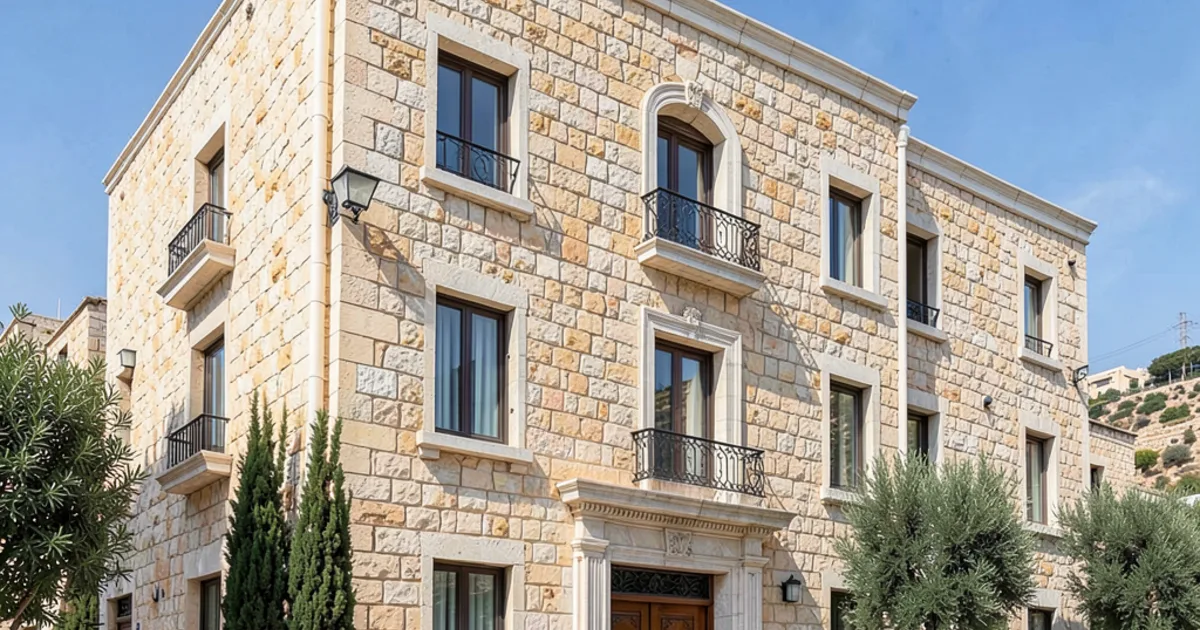
The landscape of Israeli real estate is undergoing a profound transformation as environmental consciousness moves from a niche interest to a mainstream priority. For decades, luxury in the Israeli market was defined by square footage and proximity to the Mediterranean shore, but a new era of value is emerging. Today’s discerning buyers in areas like Netanya are increasingly looking for homes that offer resilience against climate variability and lower long-term operational costs.
Quick answer: Nahariya offers a high quality of life with direct access to beaches and a Mediterranean climate. While the query mentions Israeli real estate trends, this specific location is distinct from the Netanya market covered on this site. Residents enjoy a vibrant community, natural surroundings, and proximity to major cultural hubs in northern Israel.
- The Growing Demand for Eco-Conscious Living in Israel
- Energy Efficiency: Solar Power and Smart Home Integration
- Water Conservation: Navigating Israel's Water-Wise Architecture
- Sustainable Building Materials and Low-Carbon Construction
- Green Urban Planning in Netanya and Coastal Cities
- The Financial Impact: Mortgages and Property Taxes
- Navigating the Legal and Regulatory Landscape
- Sustainable Renovations: Upgrading Older Properties
- The Role of Landscaping and Biodiversity in Israeli Gardens
- Evaluating Green Certifications and Developer Claims
- Impact on Property Value and Long-term Resale
- Practical Steps for the Eco-Conscious Buyer
The Growing Demand for Eco-Conscious Living in Israel
The landscape of Israeli real estate is undergoing a profound transformation as environmental consciousness moves from a niche interest to a mainstream priority. For decades, luxury in the Israeli market was defined by square footage and proximity to the Mediterranean shore, but a new era of value is emerging. Today’s discerning buyers in areas like Netanya are increasingly looking for homes that offer resilience against climate variability and lower long-term operational costs. This shift is driven by a combination of rising utility prices, a growing awareness of resource scarcity, and a global movement toward sustainable urbanism.
As we observe the development of new residential clusters in the coastal plain, the integration of eco-friendly features is no longer viewed as an optional luxury. Instead, it is becoming a fundamental component of modern architecture and urban planning. From the high-rise developments in the city center to the planned communities in Ir Yamim, the demand for energy-efficient structures is palpable. This trend is not merely about aesthetics; it is about creating living environments that are economically viable and environmentally responsible for future generations.
This evolution also reflects a broader change in how residents interact with their surroundings. The desire for 'green' living extends beyond the walls of the home to the very fabric of the neighborhood, including public parks, walking paths, and communal green spaces. In Netanya, where the sea breeze offers natural cooling, the synergy between smart design and local geography is becoming a key selling point for new developments. Understanding these trends is essential for anyone looking to invest in the Israeli property market today.
- Rising electricity and water costs driving consumer behavior.
- Increased awareness of the Mediterranean climate's vulnerability.
- A shift in buyer psychology from 'size-first' to 'efficiency-first'.
Energy Efficiency: Solar Power and Smart Home Integration
In a country blessed with abundant sunlight, solar energy has moved from a secondary consideration to a primary architectural driver. New residential projects, particularly in the expanding districts of Poleg and the newer sectors of Ir Yamim, are increasingly incorporating photovoltaic (PV) systems into their designs. These systems allow homeowners to offset a significant portion of their electricity consumption, providing a hedge against fluctuating energy prices. For many, the ability to generate their own power is a major factor when calculating the long-term value of a Mashkanta (mortgage).
Beyond solar panels, the integration of smart home technology is becoming a standard for energy management. Modern apartments are being outfitted with intelligent thermostats, automated lighting, and smart window treatments that react to the intensity of the Israeli sun. These technologies work in tandem to reduce the load on air conditioning units, which are often the largest source of energy consumption in coastal homes. By optimizing energy use through automation, residents can achieve a level of efficiency that was previously impossible in older, traditional builds.
The synergy between renewable energy and smart technology is creating a new standard for 'intelligent living.' Homeowners are no longer just passive consumers of energy; they are active managers of their own micro-grids. This level of control is particularly attractive to tech-savvy professionals and families who prioritize both modern convenience and environmental stewardship. As these technologies become more affordable and widespread, we expect to see them become a baseline requirement for any premium real estate development in the region.
- Photovoltaic (PV) solar installations on rooftops and balconies.
- Smart thermostats to manage high-demand cooling periods.
- Automated shading systems to reduce thermal gain.
Water Conservation: Navigating Israel's Water-Wise Architecture
Water scarcity is a perennial concern in the Middle East, and Israel has long been a global leader in water technology. This expertise is now being directly applied to residential real estate, where water conservation is becoming a key design element. In many new developments, greywater recycling systems are being integrated to collect water from showers and sinks, treating it for use in toilet flushing and garden irrigation. This reduces the demand for precious potable water and lowers the monthly utility burden for residents.
The importance of water-wise design is perhaps most visible in the landscaping of coastal Netanya properties. Instead of high-maintenance, thirsty lawns that require constant irrigation, modern developments are opting for Mediterranean-style xeriscaping. This involves using native, drought-resistant flora that thrives in the local climate with minimal intervention. Such landscaping not only conserves water but also requires less chemical fertilizer, contributing to a healthier local ecosystem and reducing the runoff into the sea.
For buyers, understanding these water systems is crucial during the due diligence phase. When reviewing the binding memorandum of a new project, it is worth inquiring about the specific water management technologies included in the build. A home equipped with advanced irrigation controls and greywater capabilities is often more resilient to potential water restrictions and offers a more sustainable lifestyle. This foresight is increasingly valued by both long-term residents and investors looking to future-proof their assets.
- Greywater recycling systems for non-potable uses.
- Xeriscaping with native, drought-resistant Mediterranean plants.
- Smart irrigation controllers to prevent water waste.
Sustainable Building Materials and Low-Carbon Construction
The selection of building materials is a critical, yet often overlooked, component of sustainable real estate. Traditional construction in Israel has relied heavily on concrete, which carries a significant carbon footprint. However, we are seeing a gradual shift toward more sustainable alternatives, such as high-performance insulation and low-carbon concrete mixes. These materials are chosen not just for their environmental impact, but for their ability to improve the thermal performance of the building, which is vital in the Israeli heat.
Effective thermal insulation is perhaps the most impactful material choice for a homeowner in the coastal plain. By utilizing advanced insulation in walls and roofs, developers can significantly reduce the need for intensive air conditioning. This creates a more stable indoor temperature and reduces the 'heat island' effect in densely populated areas like the Netanya city center. When evaluating a property, considering the quality of its thermal envelope is as important as looking at the aesthetic finishes.
Furthermore, the trend toward using recycled or locally sourced materials is gaining traction among eco-conscious developers. Using materials that do not require long-distance transport reduces the overall embodied energy of the building. While the initial cost of these materials may sometimes be higher, the long-term benefits in energy savings and environmental impact are substantial. As the market matures, we expect these sustainable building practices to become more standardized across the construction industry.
Green Urban Planning in Netanya and Coastal Cities
Sustainable living is not confined to the interior of a home; it is deeply influenced by the urban planning of the surrounding area. In Netanya, the way new neighborhoods are laid out plays a massive role in the sustainability of the lifestyle they offer. Modern urban planning in the region is increasingly focusing on 'walkability' and the reduction of car dependency. By creating mixed-use developments where residential, commercial, and recreational spaces are within walking distance, planners can reduce the carbon footprint of the community.
The concept of the 'green corridor' is also becoming more prevalent in coastal urban design. These are planned stretches of vegetation and parkland that connect different parts of the city, providing both ecological benefits and recreational spaces for residents. In areas like Kiryat HaSharon or near the seafront, these green spaces help to mitigate urban heat and provide a natural cooling effect. For residents, proximity to these well-planned green zones adds significant lifestyle value and can influence property appreciation.
However, the challenge for coastal cities is balancing density with green space. As the demand for housing increases, there is a constant tension between building more units and preserving the natural environment. The most successful developments are those that integrate greenery into the vertical plane, through rooftop gardens, green balconies, and living walls. This approach allows for higher density without sacrificing the psychological and environmental benefits of being close to nature.
- Mixed-use zoning to promote walking and cycling.
- Integration of green corridors and urban parks.
- Vertical greenery and rooftop gardens in high-density areas.
The Financial Impact: Mortgages and Property Taxes
One of the most practical aspects of the green housing trend is its impact on the financial landscape of real estate. We are seeing the emergence of 'green financing' options within the Israeli mortgage market. Some financial institutions are beginning to offer preferential rates for Mashkanta (mortgages) on properties that meet specific energy-efficiency or sustainability criteria. While not yet universal, this trend provides a tangible financial incentive for buyers to invest in eco-friendly homes.
Beyond the initial purchase, sustainable homes offer significant savings on operational costs. Lower electricity and water consumption translate directly into lower monthly utility bills, which can be a major advantage for families managing a household budget. Additionally, highly efficient homes may see different long-term implications regarding Arnona (municipal tax) or other local levies, depending on how municipalities reward energy-efficient buildings. While these savings are incremental, they compound over the life of the ownership.
When calculating the total cost of ownership, it is essential to look beyond the initial price tag and the Mas Rekhisha (purchase tax). An eco-friendly home should be viewed as an investment in efficiency. A property with high energy ratings is likely to be more resilient to future increases in utility costs and may hold its value better during market fluctuations. Investors should consider these 'green premiums' when evaluating the potential for future capital gains and the eventual Mas Shevah (capital gains tax) implications.
Navigating the Legal and Regulatory Landscape
Investing in sustainable real estate requires a clear understanding of the legal framework governing construction and ownership in Israel. When a developer promises 'green features,' these must be clearly documented in the binding memorandum. It is crucial to ensure that the specifications for solar installations, water recycling, or insulation are legally enforceable. Without clear documentation, a buyer may find themselves with a property that fails to deliver the promised efficiency.
The role of the municipality is also central to the green transition. Local planning authorities are increasingly incorporating environmental standards into their building permit processes. This can include requirements for solar readiness or specific landscaping mandates. Buyers should be aware that certain green features may require specific approvals from the local municipality to ensure they comply with zoning and safety regulations. Navigating these layers of bureaucracy is a key part of the acquisition process.
Furthermore, the Tabu (land registry) is the ultimate source of truth for property ownership and legal descriptions. While the Tabu might not explicitly list 'solar panels,' it is essential to ensure that any permanent structural additions or shared communal green spaces are correctly registered and that rights of use are clearly defined. Consulting with a professional to review the legal standing of a property's green infrastructure is a prudent step for any serious investor or homeowner.
- Verification of green specs in the binding memorandum.
- Compliance with municipal building and environmental codes.
- Ensuring communal green assets are correctly registered in the Tabu.
Sustainable Renovations: Upgrading Older Properties
Not all sustainable living happens in new developments. For many, the path to eco-friendly living involves upgrading existing properties in established neighborhoods like Nitza or the Netanya city center. These older builds often lack modern insulation and energy-efficient systems, but they can be retrofitted. Renovating an older apartment to include double-glazed windows, improved thermal insulation, and smart energy management can dramatically increase its efficiency and value.
Renovating with sustainability in mind requires a strategic approach to avoid unnecessary costs. Rather than a complete overhaul, homeowners can focus on high-impact upgrades. Replacing old, inefficient air conditioning units with modern, inverter-based systems is one of the most effective ways to reduce energy use. Similarly, installing water-saving fixtures in bathrooms and kitchens can provide immediate relief to water consumption without requiring major plumbing changes.
When undertaking such renovations, it is important to consider the impact on the building's overall structure and the potential for neighborly cooperation. In many older apartment blocks, certain upgrades, like installing solar water heaters on the roof, require the consent of the building's management and potentially the municipality. A well-planned renovation not only makes a home more sustainable but also modernizes it, making it more attractive to future buyers in an increasingly eco-conscious market.
The Role of Landscaping and Biodiversity in Israeli Gardens
The concept of the 'garden' is evolving in the Israeli real estate market. The traditional, lush, green lawn is increasingly being viewed as an outdated and unsustainable luxury. In the arid and semi-arid climates of much of Israel, maintaining such landscapes is both environmentally taxing and economically expensive. Instead, we are seeing a rise in 'functional landscaping' that prioritizes biodiversity and water conservation.
Xeriscaping is at the heart of this movement. By selecting plants that are native to the Mediterranean region, homeowners can create stunning, low-maintenance landscapes that require minimal irrigation. These gardens often feature textures, colors, and scents that are uniquely suited to the local environment. Furthermore, native plants support local pollinators, such as bees and butterflies, contributing to the broader ecological health of the urban area.
For properties in Netanya, especially those near the coast, landscaping also plays a role in wind protection and salt tolerance. Choosing the right species can create a natural buffer against sea breezes while still allowing for a sense of openness. A garden designed with these considerations in mind is not just a beautiful asset; it is a resilient part of the home's ecosystem that enhances the overall quality of life for the residents.
Evaluating Green Certifications and Developer Claims
As 'green living' becomes a powerful marketing tool, it is essential for buyers to distinguish between genuine sustainability and 'greenwashing.' Some developers may use vague terminology to imply environmental benefits that are not substantively present in the building's design. To avoid this, buyers should look for specific, measurable claims. Instead of a developer saying a building is 'eco-friendly,' ask for details on its energy rating, water recycling capacity, or the specific materials used.
While Israel is still developing its own widespread residential green certification systems comparable to international standards, there are increasing levels of transparency. You should ask to see technical specifications regarding insulation, solar output, and water management systems. A reputable developer will be able to provide data-backed information rather than just marketing slogans. This level of detail is crucial when you are making a significant financial commitment via a Mashkanta.
It is also wise to consult with independent experts or local agencies that specialize in property evaluation. They can help you interpret technical documents and provide a second opinion on whether a project's green claims align with current industry best practices. Taking the time to perform this due diligence can prevent the frustration of discovering that a 'sustainable' home is actually quite inefficient once you move in.
- Avoid vague marketing terms; demand technical specifications.
- Request data on solar, water, and insulation efficiency.
- Consult professionals to verify developer environmental claims.
Impact on Property Value and Long-term Resale
The long-term financial outlook for sustainable homes in Israel is highly positive. As environmental regulations tighten and resource costs rise, homes that are already optimized for efficiency will likely command a premium. This is particularly true for properties in highly desirable areas like Netanya, where demand for high-quality, modern living is constant. A home that is 'future-proofed' against rising energy costs is a much more attractive proposition for future buyers.
When it comes to resale, the 'green' aspect of a property can serve as a significant differentiator. In a crowded market, a home that offers lower utility bills and a more modern, sustainable lifestyle will stand out. This can lead to faster sales and potentially higher closing prices. Investors should view these features not as an added expense, but as a strategic investment in the property's long-term liquidity and value.
Furthermore, the considerations for Mas Shevah (capital gains tax) remain the same, but the underlying value of the asset is what matters. If a green home appreciates at a higher rate due to its superior efficiency and modern amenities, the ultimate return on investment is enhanced. By prioritizing sustainability today, both residents and investors are positioning themselves to benefit from the inevitable shift toward a more eco-conscious real estate market.
Practical Steps for the Eco-Conscious Buyer
For those looking to enter the sustainable Israeli real estate market, a systematic approach is recommended. Start by defining your priorities: are you more concerned with energy savings, water conservation, or proximity to green urban spaces? This will help narrow your search in areas like Ir Yamim or the Netanya city center. Once you have identified your core needs, you can begin looking for specific features that align with them.
During your property viewings, move beyond the surface level. Inspect the quality of the windows, ask about the insulation in the walls, and inquire about the presence of solar water heaters or greywater systems. If you are looking at a new development, request the technical documentation and the binding memorandum to ensure all promised green features are legally secured. Do not hesitate to ask the developer's representatives direct questions about their sustainability standards.
Finally, consider the long-term financial implications. Work with your mortgage provider to see if there are any 'green' Mashkanta options available. Calculate potential savings on electricity and water to understand the true impact on your monthly budget. By combining thorough research with a clear understanding of both the technical and financial aspects of green housing, you can make an informed decision that benefits both your lifestyle and your investment portfolio.
- Define your primary sustainability priorities (energy, water, or space).
- Conduct technical inspections of insulation and utility systems.
- Verify all green promises within the binding memorandum.
- Explore green mortgage options with your financial institution.
FAQ
Does green housing increase the initial Mas Rekhisha (purchase tax)?
The Mas Rekhisha is generally based on the purchase price and the buyer's status, not the energy efficiency of the home. However, a green home may have a higher market value, which could result in a higher tax amount due to the increased purchase price.
Can I get a better Mashkanta (mortgage) rate for an eco-friendly home?
While not a universal rule, some Israeli banks are beginning to offer preferential 'green' mortgage rates for homes that meet specific sustainability criteria. It is always best to consult with your bank to see if they have specific products for energy-efficient properties.
How can I verify if a developer's green claims are real?
You should request technical specifications and data regarding solar, water, and insulation efficiency. Avoid vague marketing terms and ensure that all promised environmental features are explicitly detailed in the binding memorandum of the sale.
Is it more expensive to maintain a sustainable home in Netanya?
In the long run, sustainable homes are typically much cheaper to maintain due to lower electricity and water consumption. While the initial investment might be slightly higher, the reduction in monthly utility costs often offsets this over time.
Get your personalised shortlist
Listings and up-to-date info, straight to your inbox, free, no obligation.
See Netanya homes →