What are the capital gains tax (Mas Shevah) implications when selling an investment property in Nitza seafront?
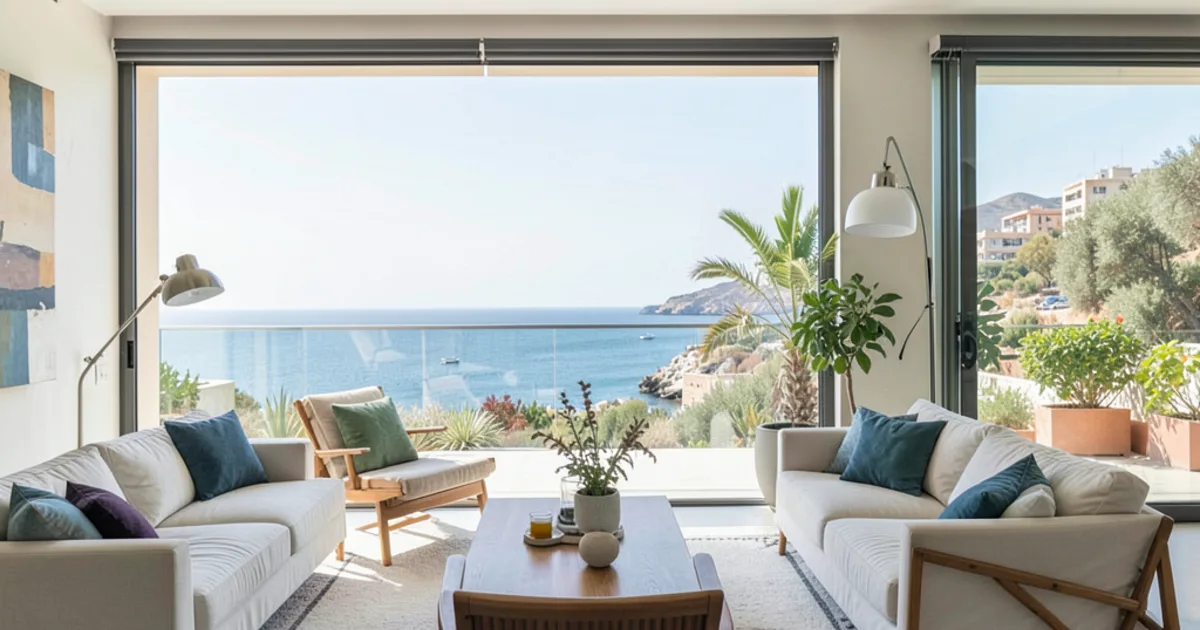
Netanya, often lauded as the 'seaside favorite,' boasts a property market that has consistently attracted discerning investors, particularly in prime locations like the Nitza seafront. This specific stretch, known for its breathtaking views, high-end developments, and proximity to cultural and recreational amenities, represents a significant investment. However, when it comes time to divest such an asset, understanding the intricacies of Israeli capital gains tax, known as 'Mas Shevah,' is paramount. This comprehensive guide will illuminate the tax implications for investors selling property in this desirable Netanya locale, providing actionable insights to help you navigate the process effectively.
- What is Mas Shevah (Capital Gains Tax) in the Israeli Context?
- Defining 'Investment Property' in the Eyes of the Israeli Tax Authority
- Key Components of the Mas Shevah Calculation for Nitza Seafront Properties
- Deductible Expenses: Maximizing Your Net Profit
- Understanding the Role of Inflation and Indexation
- Potential Exemptions and Reliefs for Investment Property Sales (Limited Scope)
- The Binding Memorandum (Zichron Devarim) and Its Tax Implications
- Mas Rekhisha (Purchase Tax) vs. Mas Shevah (Capital Gains Tax)
- The Importance of Professional Guidance: Lawyers and Tax Advisors
- Reporting and Payment Deadlines for Mas Shevah
- The Broader Netanya Market: Ir Yamim, Poleg, and Kiryat HaSharon Context
- Planning for Your Next Investment: Tax Considerations Post-Sale
What is Mas Shevah (Capital Gains Tax) in the Israeli Context?
Mas Shevah, or capital gains tax, is a levy imposed on the profit derived from the sale of real estate in Israel. This profit is essentially the difference between the sale price of the property and its acquisition cost, adjusted for various permitted expenses and inflation. Unlike some other jurisdictions, Israeli capital gains tax is specifically applied to real estate transactions, forming a significant component of the overall tax landscape for property owners.
The fundamental principle behind Mas Shevah is to tax the 'real' gain, meaning the profit that has not been eroded by inflation over the holding period. This necessitates a detailed calculation that accounts for the original purchase price, the sale price, and a range of deductible expenses incurred during the ownership period. Understanding these components is critical for accurately assessing your potential tax liability.
For investors in areas like the Nitza seafront, where property values have historically appreciated, Mas Shevah can represent a substantial financial obligation. Therefore, proactive planning and a thorough understanding of the tax code are not merely advisable but essential for optimizing your investment returns. It's not just about the sale price; it's about the net profit after all taxes and expenses.
Defining 'Investment Property' in the Eyes of the Israeli Tax Authority
For the purpose of Mas Shevah, the distinction between a 'primary residence' and an 'investment property' is crucial, as different tax rules apply. An investment property is generally defined as any real estate that is not your sole or primary residence, or which does not meet specific criteria for exemption. This could include properties purchased purely for rental income, future resale, or a second home.
In the context of the Nitza seafront, many properties are acquired by individuals or entities precisely for their investment potential, whether for short-term rentals, long-term leases, or as a strategic asset within a broader portfolio. The tax authority scrutinizes the intent and use of the property to determine its classification. Factors like the number of properties owned by an individual or family can also influence this determination.
It's important to note that even properties that serve as a 'vacation home' for a portion of the year might still be classified as investment properties if they don't meet the strict criteria for a primary residence exemption. This classification significantly impacts the applicability of various tax reliefs and exemptions, making it a foundational element of any Mas Shevah calculation.
Key Components of the Mas Shevah Calculation for Nitza Seafront Properties
The calculation of Mas Shevah involves several core components that must be meticulously accounted for. The starting point is the 'sale price' (שווי מכירה), which is the total consideration received for the property. From this, the 'acquisition cost' (עלות רכישה) is deducted, representing the original price paid for the property, including the initial Mas Rekhisha (purchase tax) and any legal fees associated with the purchase.
Further deductions are permitted for 'permitted expenses' (הוצאות מותרות), which can significantly reduce the taxable gain. These often include expenses directly related to the improvement or sale of the property. Finally, an 'indexation adjustment' is applied to account for inflation, ensuring that only the real gain, above the rate of inflation, is taxed.
The formula, while seemingly straightforward, requires careful documentation and understanding of what constitutes an allowable deduction. For a high-value property in a prime location like the Nitza seafront, every detail in this calculation can have a substantial impact on the final tax bill, emphasizing the need for professional guidance.
Deductible Expenses: Maximizing Your Net Profit
A critical aspect of minimizing your Mas Shevah liability is to meticulously track and claim all legitimate deductible expenses. These can include a range of outlays incurred during the ownership period and the sale process itself. Examples often include the Mas Rekhisha paid upon acquisition, legal fees for both purchase and sale, and real estate agent commissions.
Beyond these, significant investments in the property's infrastructure or improvements can also be deducted. This might encompass costs associated with renovations, structural repairs, or additions that demonstrably enhanced the property's value. However, routine maintenance expenses are generally not deductible. It's essential to differentiate between capital improvements and general upkeep.
Maintaining thorough records of all these expenses from the moment of acquisition is paramount. Without proper documentation, the tax authorities may disallow claims, leading to a higher taxable gain. For properties in the Nitza seafront, where renovation and upgrade costs can be substantial, diligent record-keeping is a non-negotiable step for any savvy investor.
Understanding the Role of Inflation and Indexation
Israel's tax system recognizes the impact of inflation on property values and incorporates an 'indexation adjustment' into the Mas Shevah calculation. This mechanism ensures that the tax is applied only to the 'real' gain, meaning the profit that exceeds the general rise in the cost of living as measured by the Consumer Price Index (CPI).
Essentially, the original acquisition cost and certain permitted expenses are adjusted upwards by a factor derived from the CPI from the date of acquisition to the date of sale. This significantly reduces the nominal gain, preventing investors from being taxed on inflationary increases rather than genuine profit. It's a crucial element that protects the purchasing power of the initial investment.
For long-term investors in the Nitza seafront, where properties may have been held for many years, this indexation can play a very significant role in lowering the overall Mas Shevah burden. The longer the holding period, the more substantial the adjustment can become, highlighting the benefits of a long-term investment strategy in this premium location.
Potential Exemptions and Reliefs for Investment Property Sales (Limited Scope)
While the primary residence exemption is generally not applicable to investment properties, there are limited circumstances where certain reliefs or specific exemptions might apply, though these are typically complex and highly specific. For instance, in very rare cases, a partial exemption might be available if the property was partially used as a primary residence for a significant period, but this is an exception rather than the rule for pure investment assets.
Another area to consider, though less common for individual investors in a single property, relates to properties held by companies or as part of a larger business operation, where different tax rules or deferral mechanisms might exist. However, for the typical individual investor selling a standalone Nitza seafront apartment or villa, such broad exemptions are unlikely.
It is crucial to consult with a qualified Israeli tax advisor to explore any potential, albeit rare, avenues for relief. Relying on general information without professional assessment could lead to missed opportunities or, worse, incorrect tax filings. The nuances of Israeli tax law demand expert interpretation, especially when dealing with high-value assets.
The Binding Memorandum (Zichron Devarim) and Its Tax Implications
In Israel, the 'Zichron Devarim' (binding memorandum or preliminary agreement) often precedes the formal sale contract. While it might seem like a preliminary step, its signing can have significant tax implications, particularly concerning the 'date of sale' for Mas Shevah purposes. The tax authority typically considers the date the Zichron Devarim is signed as the effective date of sale, provided it contains all essential terms.
This is critical because the date of sale determines the indexation period, the applicability of certain tax laws in effect at that time, and the deadline for tax reporting and payment. Any delay between the Zichron Devarim and the full contract could inadvertently impact the Mas Shevah calculation, especially if tax laws change or if the CPI fluctuates significantly.
Investors selling in the Nitza seafront should be acutely aware of this and ensure that their legal counsel carefully drafts the Zichron Devarim to align with their tax planning. It's not merely a handshake agreement; it's a legally binding document with tangible financial consequences that must be handled with precision.
Mas Rekhisha (Purchase Tax) vs. Mas Shevah (Capital Gains Tax)
It's important to distinguish between Mas Rekhisha (purchase tax) and Mas Shevah (capital gains tax), as they are separate levies applied at different stages of property ownership. Mas Rekhisha is paid by the buyer upon the acquisition of a property, with rates varying based on the property's value and whether it is a primary residence or an investment.
Conversely, Mas Shevah is paid by the seller upon the sale of a property, specifically on the profit generated from that sale. While Mas Rekhisha is an upfront cost for the buyer, it later becomes a deductible expense for the seller when calculating Mas Shevah, as it forms part of the 'acquisition cost.'
For investors in Nitza seafront, understanding this distinction is crucial for accurate financial planning. The Mas Rekhisha paid years ago when acquiring the property will directly influence the Mas Shevah owed today. Both taxes are significant components of the overall financial lifecycle of an investment property in Israel.
The Importance of Professional Guidance: Lawyers and Tax Advisors
Navigating the complexities of Israeli property tax law, especially for a high-value asset in the Nitza seafront, necessitates expert guidance. Engaging both a qualified real estate lawyer and a knowledgeable Israeli tax advisor is not merely recommended but essential. A lawyer will handle the legal aspects of the sale, including drafting contracts, ensuring the property's registration in the Tabu (land registry), and managing the transaction's legal framework.
A tax advisor, on the other hand, will focus specifically on optimizing your Mas Shevah calculation. They will identify all eligible deductions, ensure proper indexation, and explore any available reliefs or strategies to minimize your tax liability within legal bounds. Their expertise can uncover nuances that an individual might easily overlook, potentially saving significant sums.
Attempting to manage these processes independently can lead to costly errors, delays, and missed opportunities for tax optimization. Given the substantial amounts involved in selling a Nitza seafront property, the fees for professional guidance are a wise investment that can yield considerable returns in terms of peace of mind and financial efficiency.
Reporting and Payment Deadlines for Mas Shevah
Once a property sale agreement (or Zichron Devarim) is signed, the seller has a limited timeframe to report the transaction to the Israeli Tax Authority. Typically, this reporting must occur within a relatively short period, often around 50 days from the date of the sale agreement. Failing to adhere to this deadline can result in penalties and interest charges.
Following the reporting, the tax authority will issue an assessment for the Mas Shevah due. The payment deadline for this tax is also typically within a similar timeframe from the date of the sale agreement. It is crucial to have the funds readily available or to arrange for their release from the sale proceeds to meet this obligation promptly.
For investors selling in Nitza seafront, proactive planning with your legal and tax advisors is vital to ensure all reporting and payment deadlines are met without issue. Delays can be costly and add unnecessary stress to what should be a smooth transaction. Understanding the exact timeline is a key part of the sales process.
The Broader Netanya Market: Ir Yamim, Poleg, and Kiryat HaSharon Context
While this article focuses on the Nitza seafront, it's beneficial for investors to understand its place within the broader Netanya real estate landscape. Areas like Ir Yamim, Poleg, and Kiryat HaSharon each offer distinct investment profiles, though Nitza seafront often represents the pinnacle of luxury and direct sea access. Ir Yamim, for instance, is known for its modern towers and family-friendly amenities, while Poleg offers a mix of residential and industrial zones.
Kiryat HaSharon, located further inland, is a well-established and growing neighborhood with a strong community feel, often attracting families. The city center, with its vibrant shuk and cultural attractions, presents different opportunities, particularly for those interested in urban living and commercial ventures. Each of these areas has its own supply-demand dynamics and price points.
Understanding these distinctions helps investors appreciate the unique value proposition of the Nitza seafront. Its scarcity, unparalleled views, and high-end construction contribute to its premium status and, consequently, the potential for significant capital gains. This broader context reinforces why detailed Mas Shevah planning for such a prime asset is so critical.
Planning for Your Next Investment: Tax Considerations Post-Sale
Selling an investment property in the Nitza seafront is often part of a larger investment strategy. Once Mas Shevah is paid, investors face decisions about reinvesting their capital. Understanding the tax implications of these subsequent investments is just as important as managing the current sale. For instance, reinvesting in another Israeli property might open up different tax considerations or deferral opportunities under certain conditions.
Some investors might consider diversifying into other asset classes or even relocating their capital internationally. Each of these choices carries its own set of tax implications, both within Israel and potentially in other jurisdictions. It's a complex landscape that requires careful consideration.
Therefore, the conversation with your tax advisor shouldn't end with the payment of Mas Shevah. It should extend to planning your next financial move to ensure continued tax efficiency and alignment with your long-term investment goals. The sale of a Nitza seafront property is often a significant liquidity event, and strategic planning for its proceeds is paramount.
FAQ
Is Mas Shevah the same for all types of investment properties in Netanya?
No, while the general principles apply, specific details can vary based on factors like the property's classification, the duration of ownership, and any applicable special circumstances. Always consult a tax advisor for your specific situation.
Can I avoid Mas Shevah if I reinvest the proceeds from my Nitza seafront property sale?
In general, Mas Shevah is due upon the sale of an investment property. While there are very limited and specific deferral options, particularly for certain types of reinvestments or exchanges, these are not universally applicable and require strict adherence to legal criteria. Professional advice is essential.
What is the Tabu, and why is it important for my property sale in Netanya?
The Tabu is Israel's official land registry, equivalent to a title deed. It legally documents property ownership and any associated rights or encumbrances. All property transactions, including sales in Nitza seafront, must be registered in the Tabu to be legally valid and transfer ownership.
How does the Arnona (municipal tax) affect the sale of my investment property?
Arnona is an annual municipal property tax paid by property owners to the local municipality. While not directly a capital gains tax, any outstanding Arnona payments must typically be settled before the sale can be finalized, as a 'certificate of no debts' from the municipality is required for Tabu registration.
Get your personalised shortlist
Listings and up-to-date info, straight to your inbox, free, no obligation.
See Netanya homes →