How does the purchase tax (Mas Rekhisha) for non-residents buying a second home in Poleg, Netanya differ from residents?
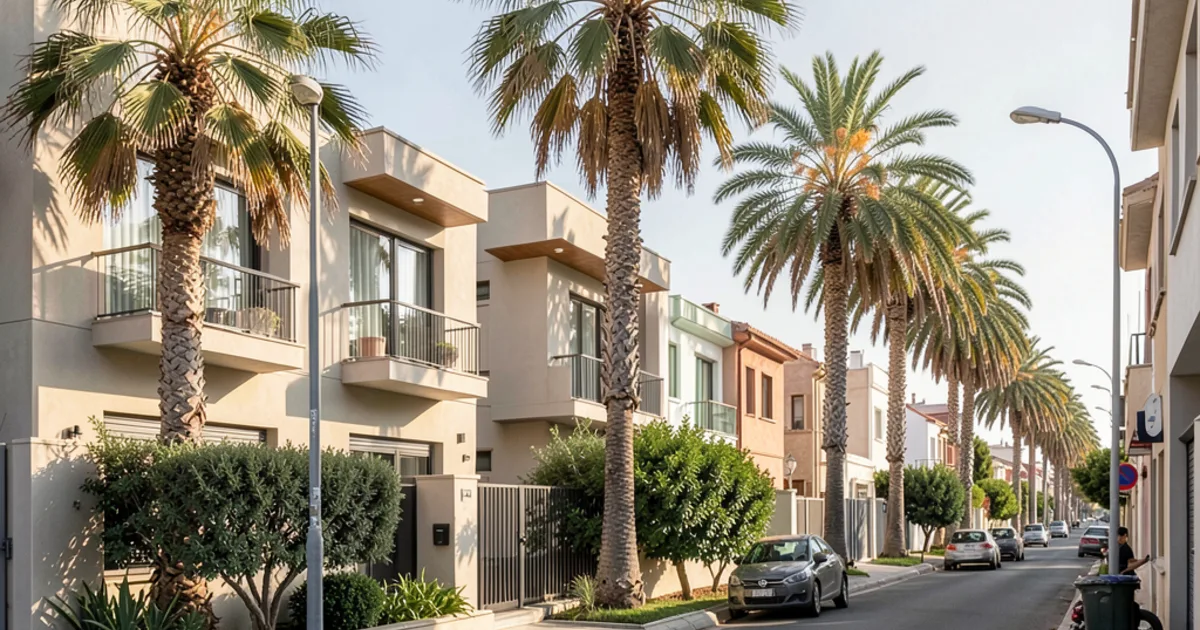
For international investors eyeing the vibrant coastal city of Netanya, particularly the burgeoning Poleg district, understanding the intricacies of property acquisition is paramount. The purchase tax, known locally as Mas Rekhisha, presents a significant financial consideration, and its implications differ substantially for non-residents compared to Israeli citizens. This comprehensive guide from NetanyaRealEstate will delve into these distinctions, offering a detailed comparison of the tax landscape for those looking to acquire a second home in Poleg, Netanya, ensuring you are well-informed before making this significant investment.
- Defining 'Non-Resident' in the Context of Israeli Property Tax
- Overview of Purchase Tax (Mas Rekhisha) in Israel
- Purchase Tax for Israeli Residents Acquiring a Second Home
- The Distinct Purchase Tax Landscape for Non-Residents in Poleg, Netanya
- Illustrative Comparison of Tax Burdens: Resident vs. Non-Resident in Poleg
- Navigating the Purchase Process: From Binding Memorandum to Tabu Registration
- Additional Costs Beyond Purchase Tax for Non-Residents in Poleg
- The Role of Professional Advice: Legal and Tax Expertise is Key
- Potential for Future Changes to Non-Resident Purchase Tax
- Why Poleg, Netanya, Attracts International Investors
- Making an Informed Investment in Netanya's Poleg District
Defining 'Non-Resident' in the Context of Israeli Property Tax
Before we delve into the tax specifics, it's crucial to establish what constitutes a 'non-resident' in the eyes of the Israeli tax authorities. This definition is not always straightforward and can have significant ramifications for your tax obligations. Generally, a non-resident is an individual whose center of life is not in Israel, meaning they do not reside in the country for a substantial portion of the year, nor do their primary family, economic, and social ties lie within its borders.
The criteria for determining residency are complex and consider various factors, including the number of days spent in Israel, the location of one's permanent home, the place of employment or business, and the location of immediate family. It's not merely about citizenship; an Israeli citizen living abroad for an extended period might be considered a non-resident for tax purposes, while a foreign national living in Israel for a significant duration could be deemed a resident. Clarifying your residency status with a qualified Israeli tax advisor is always the first vital step.
For investors targeting areas like Poleg, which attracts a significant international clientele due to its modern infrastructure and proximity to the sea, understanding this distinction is fundamental. Misinterpreting your residency status could lead to unexpected tax liabilities or missed opportunities for legitimate tax planning. This initial clarification forms the bedrock of any sound property investment strategy in Israel.
Overview of Purchase Tax (Mas Rekhisha) in Israel
Mas Rekhisha, or purchase tax, is a mandatory levy imposed on the acquisition of real estate in Israel. It's a progressive tax, meaning the rate increases with the value of the property, and it applies to all property transactions, whether residential or commercial. The tax is calculated on the higher of the declared purchase price or the property's market value, as determined by the tax authorities.
This tax is a significant component of the overall transaction costs and must be factored into your budget from the outset. Unlike some other taxes, Mas Rekhisha is typically paid upfront, shortly after the signing of the purchase agreement. Failure to pay this tax within the stipulated timeframe can result in penalties and interest, underscoring the importance of timely and accurate calculation.
The purpose of Mas Rekhisha is to generate revenue for the state and to regulate the real estate market. Its rates are subject to change by government decree, reflecting economic conditions and policy objectives. Therefore, staying informed about the current tax regulations is essential for any prospective buyer, especially those making a substantial investment in a desirable area like Poleg.
Purchase Tax for Israeli Residents Acquiring a Second Home
For Israeli residents, the purchase tax rates for acquiring a second home are generally higher than for a first home. This policy aims to discourage speculation and promote homeownership for those without existing properties. The rates are structured in tiers, with different percentages applied to various price brackets of the property value.
It's important to note that even for residents, 'second home' means any residential property beyond their primary dwelling. This could include an investment property, a vacation home, or a property intended for a family member. The tax calculation will consider the total value of the property and apply the progressive rates accordingly. There are specific thresholds below which the tax might be lower or even zero for a first home, but these benefits typically do not extend to second properties.
The specific percentages and thresholds are subject to periodic adjustments by the Ministry of Finance. These changes are often announced in the national budget or through specific legislative amendments. Therefore, while we cannot provide exact figures, it's safe to assume that a resident purchasing a second home in a sought-after area like Poleg will face a notable purchase tax liability, significantly impacting the overall cost of acquisition.
The Distinct Purchase Tax Landscape for Non-Residents in Poleg, Netanya
Now, turning our attention to non-residents, the purchase tax rates for acquiring any residential property in Israel, including a second home in Poleg, are typically set at a higher, often flat, rate compared to what Israeli residents pay for their first or even second homes. This policy reflects a government objective to generate revenue from foreign investment and to potentially cool down the market from external demand.
For non-residents, the concept of a 'first home' or 'second home' often becomes less relevant for purchase tax purposes. The higher, non-resident rate generally applies regardless of whether the property being purchased is their first, second, or tenth acquisition in Israel. This simplifies the calculation in some ways but significantly increases the financial outlay.
The rates applicable to non-residents are designed to be substantial, often commencing at a higher percentage from the very first shekel of the property's value, without the lower tiers that residents might benefit from. This means that a non-resident investor eyeing a luxury apartment in Ir Yamim or a seafront villa in Nitza, within the Poleg area, should anticipate a considerable tax burden directly tied to the property's value. This differential is a key aspect of Israeli real estate investment for international buyers.
Illustrative Comparison of Tax Burdens: Resident vs. Non-Resident in Poleg
To truly grasp the disparity, let's consider a hypothetical scenario in Poleg. An Israeli resident purchasing a second apartment, perhaps a modern unit in Ir Yamim, would face purchase tax rates that are progressive. The tax would start at a certain percentage for the initial value bracket, increasing for subsequent brackets, but still potentially benefiting from some lower initial thresholds compared to a non-resident.
A non-resident acquiring an identical property in the same Poleg location, however, would likely be subject to a significantly higher, often more uniform, tax rate across the entire property value. This means that for a property of substantial value, the absolute difference in Mas Rekhisha paid could amount to a considerable sum, potentially adding many tens of thousands, or even hundreds of thousands, of shekels to the transaction cost.
This illustrative comparison underscores the critical financial planning required by non-resident buyers. The higher purchase tax is not just a minor adjustment; it's a fundamental difference that can influence investment decisions, budget allocation, and the overall feasibility of the acquisition. NetanyaRealEstate advises all non-resident clients to account for this significant differential when evaluating properties in highly desirable areas like Poleg, Netanya.
Navigating the Purchase Process: From Binding Memorandum to Tabu Registration
The real estate purchase process in Israel, while similar in some aspects to other countries, has its unique characteristics. It typically begins with a 'binding memorandum of understanding' (Zichron Devarim) or a more detailed purchase agreement (Heskem Mekhira), which outlines the key terms of the sale. This document is usually drafted by lawyers representing both parties.
Following the signing of the agreement, the buyer is responsible for paying the Mas Rekhisha. This payment is crucial for the transaction to proceed to the next stage. Concurrently, the lawyers will conduct due diligence, verifying the property's status with the Tabu (Land Registry Office) to ensure clear title and absence of liens or encumbrances. This step is vital for safeguarding the buyer's investment.
Finally, upon completion of all payments and fulfillment of conditions, the ownership transfer is registered in the Tabu. This official registration is the ultimate proof of ownership in Israel. For non-residents, navigating these steps often requires reliable legal counsel familiar with international transactions and the specific requirements for foreign buyers, including potential currency exchange considerations and international banking transfers.
Additional Costs Beyond Purchase Tax for Non-Residents in Poleg
While Mas Rekhisha is a primary concern, non-resident buyers in Poleg should be aware of several other significant costs associated with property acquisition and ownership. These include legal fees, which can vary based on the complexity of the transaction, and real estate agent commissions, typically a percentage of the purchase price.
Beyond the initial purchase, holding costs are also a factor. The Arnona, a municipal property tax, is levied annually by the Netanya municipality and covers services like waste collection, street lighting, and park maintenance. This tax is ongoing and varies based on the property's size, location (e.g., beachfront in Nitza vs. further inland in Kiryat HaSharon), and classification.
Furthermore, ongoing maintenance fees ('Va'ad Bayit') for communal buildings, utility costs, and potential property management fees if the property is rented out, all contribute to the total cost of ownership. Non-residents should meticulously budget for these recurring expenses to ensure the long-term financial viability of their investment in Poleg or any other Netanya neighborhood.
The Role of Professional Advice: Legal and Tax Expertise is Key
Given the complexities of Israeli property law and taxation, especially for non-residents, engaging expert professional advice is not merely recommended but essential. A qualified Israeli real estate lawyer specializing in international transactions will guide you through every stage, from drafting the binding memorandum to Tabu registration, ensuring all legal requirements are met and your interests are protected.
Equally vital is the counsel of an Israeli tax advisor. This professional can provide a precise calculation of your Mas Rekhisha liability based on the current regulations and your specific circumstances. They can also advise on potential tax implications related to rental income, capital gains tax (Mas Shevah) if you eventually sell the property, and international tax treaties that might apply.
For non-residents considering a substantial investment in Poleg, bypassing professional guidance can lead to costly errors and unforeseen complications. NetanyaRealEstate consistently emphasizes the value of a strong team of local experts, including lawyers, tax advisors, and reputable real estate agents, to ensure a smooth, compliant, and ultimately successful property acquisition.
Potential for Future Changes to Non-Resident Purchase Tax
It is crucial for potential non-resident buyers to understand that Israeli tax laws, including Mas Rekhisha rates, are not static. They are subject to change based on economic conditions, government policies, and parliamentary decisions. Historically, there have been instances where rates for non-residents have been adjusted, sometimes significantly, to address market dynamics or budgetary needs.
These changes can occur with relatively short notice, potentially impacting ongoing transactions or future investment plans. Therefore, relying on outdated information can be financially detrimental. Non-residents should always verify the most current tax rates and regulations at the time of their purchase decision, leveraging their legal and tax advisors for up-to-the-minute information.
While NetanyaRealEstate cannot predict future legislative changes, we advise our clients to remain flexible in their financial planning and to factor in the possibility of evolving tax landscapes. This proactive approach ensures that your investment strategy in Poleg, Netanya, remains robust and adaptable to potential shifts in government policy.
Why Poleg, Netanya, Attracts International Investors
Poleg, particularly the Ir Yamim neighborhood, has emerged as a prime destination for international real estate investors, and for good reason. Its modern infrastructure, including new residential towers, commercial centers, and excellent public amenities, offers a high quality of life. The area is characterized by its contemporary architectural style and well-planned urban environment.
The proximity to the Mediterranean Sea is undoubtedly one of Poleg's most compelling attractions. Many properties, especially in the Nitza/seafront area, boast stunning sea views and easy access to beautiful beaches. This combination of modern living and coastal charm makes it highly desirable for both personal use as a second home and as a rental investment.
Furthermore, Poleg's strategic location within Netanya provides excellent connectivity to major highways, facilitating easy access to Tel Aviv and other central Israeli cities. The area also benefits from Netanya's broader appeal as a vibrant city with a growing international community, diverse culinary scene, and cultural offerings, making it an attractive and dynamic place for non-residents to invest.
Making an Informed Investment in Netanya's Poleg District
Investing in a second home in Poleg, Netanya, as a non-resident, offers a compelling opportunity to own a piece of Israel's beautiful coastline and dynamic real estate market. However, the success of this investment hinges on a thorough understanding of the financial landscape, particularly the distinct purchase tax implications.
The higher Mas Rekhisha rates for non-residents are a significant factor that demands careful consideration and budgeting. By engaging with experienced local professionals, reputable real estate agents from NetanyaRealEstate, specialized lawyers, and expert tax advisors, you can navigate these complexities with confidence. These experts will provide actionable advice, ensuring compliance and optimizing your investment.
Ultimately, an informed decision, grounded in accurate information and professional guidance, is the cornerstone of a successful real estate acquisition in Israel. NetanyaRealEstate is dedicated to empowering non-resident buyers with the knowledge and support needed to make their dream of owning a second home in Poleg, Netanya, a rewarding reality.
FAQ
Can a non-resident obtain a mortgage (Mashkanta) for a second home in Poleg, Netanya?
Yes, non-residents can generally obtain a Mashkanta from Israeli banks, though the terms and conditions, including loan-to-value ratios, might differ from those offered to residents. It's advisable to consult with an Israeli mortgage broker who specializes in foreign buyers.
Are there any exemptions or reductions in purchase tax for non-residents buying in Poleg?
Generally, non-residents are subject to the higher purchase tax rates without significant exemptions or reductions that residents might qualify for. Any potential specific circumstance or special status would need to be thoroughly reviewed by an Israeli tax advisor.
What is the process for declaring funds used for a property purchase by a non-resident?
Non-residents must declare the source of their funds for property purchases to comply with anti-money laundering regulations. This typically involves providing documentation to the bank or legal counsel demonstrating the legitimate origin of the funds being transferred into Israel.
How does the capital gains tax (Mas Shevah) apply to non-residents if they sell their second home in Poleg later?
Non-residents are generally subject to Mas Shevah (capital gains tax) on the profit made from selling an Israeli property. The rates and calculation methods can be complex, and it's essential to consult with an Israeli tax advisor well in advance of any potential sale.
Is it possible to receive services like an 'ulpan' (Hebrew language school) or other benefits typically for new immigrants as a non-resident investor?
No, services like ulpan, which are part of integration benefits, are typically reserved for new immigrants (Olim Hadashim) and not generally available to non-resident property investors. Your status as a non-resident investor does not confer immigrant benefits.
Get your personalised shortlist
Listings and up-to-date info, straight to your inbox, free, no obligation.
See Netanya homes →