What are common pitfalls foreigners should avoid when purchasing real estate in Netanya?
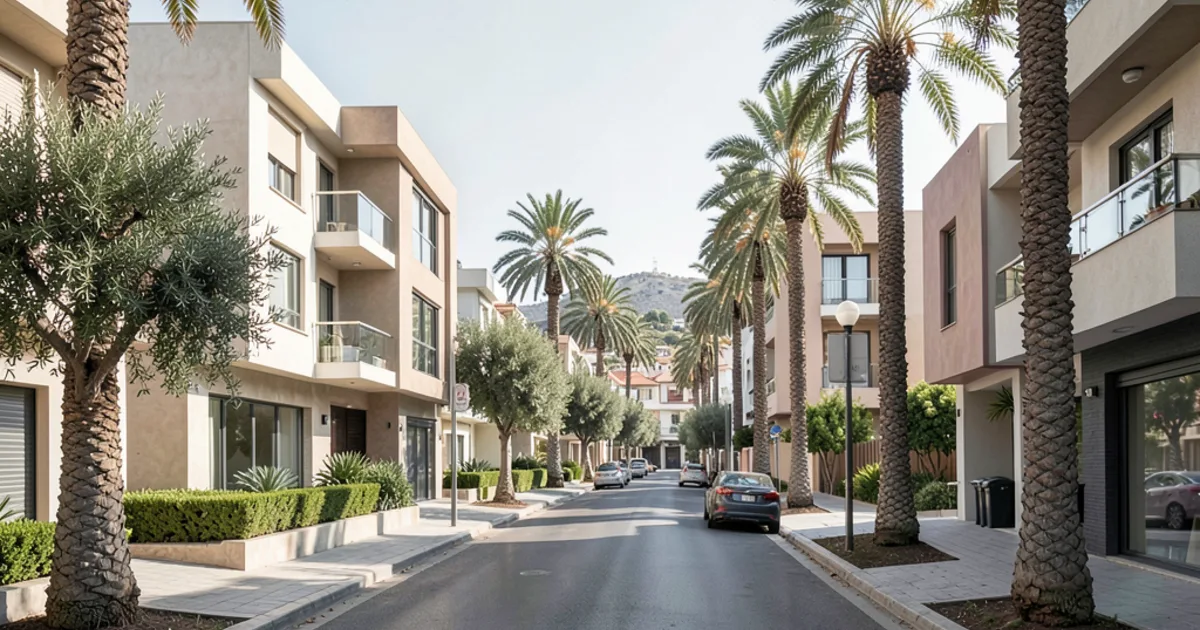
Netanya, with its stunning Mediterranean coastline and growing appeal, has become a highly sought-after destination for international property buyers. Its diverse neighborhoods, from the luxurious Ir Yamim to the charming City Centre, offer a range of lifestyles and investment opportunities. However, the path to home ownership in a foreign country, especially one with a distinct legal and cultural landscape like Israel, is often paved with potential pitfalls that can trip up even the most seasoned buyer. This comprehensive guide from NetanyaRealEstate aims to illuminate these common challenges and provide actionable advice to ensure a smooth, secure, and ultimately rewarding real estate journey for foreign investors in Netanya.
Quick answer: Foreign buyers often fail to verify the title deed status or misunderstand the specific legal restrictions on land ownership. Ignoring the local tax implications and relying on unlicensed agents are also frequent errors that can lead to financial loss or legal complications.
- Underestimating the Complexity of Israeli Property Law and Bureaucracy
- Neglecting to Engage Specialized Legal Counsel from the Outset
- Misunderstanding Israeli Taxation and Associated Costs
- Overlooking the Importance of a Detailed Purchase Agreement and Memorandum
- Challenges with Language Barriers and Cultural Nuances
- Misjudging the Local Market and Property Values
- Ignoring the Importance of a Property Inspection
- Failing to Plan for Mortgage Financing (Mashkanta) in Advance
- Ignoring Ongoing Property Management and Maintenance
- Underestimating the Value of Local Expertise and Networking
- Neglecting to Consider Resale Value and Exit Strategy
Underestimating the Complexity of Israeli Property Law and Bureaucracy
One of the most significant hurdles for foreign buyers in Netanya is the intricate nature of Israeli property law. Unlike some other countries, the legal framework here can be quite nuanced, involving various governmental bodies and specific procedures that deviate from international norms. Many international clients, accustomed to more streamlined processes in their home countries, often underestimate the time and expertise required to navigate these legalities effectively, leading to frustration and potential delays.
Crucially, property rights are meticulously recorded in the Tabu (Land Registry), the official record of property ownership in Israel. Ensuring that the property's details, including its ownership, encumbrances, and exact boundaries, are accurately registered and verified is paramount. Any discrepancies or unrecorded charges can lead to significant legal complications down the line, potentially jeopardizing the entire transaction. Thorough due diligence by a specialized legal team is not merely advisable; it is absolutely essential.
Furthermore, the bureaucratic processes associated with purchasing property, from obtaining necessary permits to registering the transfer of ownership, can be time-consuming. Foreign buyers often find themselves unfamiliar with the specific forms, deadlines, and required documentation. A lack of understanding in this area can result in unnecessary delays, additional costs, or even the invalidation of certain parts of the agreement if not handled correctly from the outset. Patience and professional guidance are invaluable assets here.
Neglecting to Engage Specialized Legal Counsel from the Outset
A common and critical pitfall for foreign buyers is the failure to engage an experienced, independent Israeli real estate attorney early in the process. Some buyers might rely solely on the seller's agent or a general legal practitioner, which can be a grave mistake. An attorney specializing in real estate transactions for foreign clients understands the specific challenges and protections needed, acting solely in your best interest.
Your attorney's role extends far beyond merely drafting the purchase agreement. They are responsible for conducting comprehensive due diligence, which includes verifying the property's legal status in the Tabu, checking for any outstanding debts or liens, ensuring all building permits are in order, and investigating potential future development plans that could impact the property. This meticulous investigation is crucial for uncovering any hidden issues before you commit financially.
Moreover, your legal counsel will negotiate the terms of the purchase agreement on your behalf, ensuring that clauses protecting your interests are included, especially concerning payment schedules, conditions for receiving possession, and remedies for breach of contract. They will also guide you through the various taxes and fees involved, such as Mas Rekhisha (purchase tax), and help you understand potential future liabilities like Mas Shevah (capital gains tax) should you decide to sell. Their expertise is your primary defense against unforeseen legal and financial complications.
Misunderstanding Israeli Taxation and Associated Costs
The Israeli tax system for real estate can be complex, and foreigners often stumble by not fully grasping the various taxes and associated costs involved in a property transaction. Beyond the agreed-upon purchase price, there are several significant financial obligations that must be factored into your budget. Failing to account for these can lead to unexpected financial strain and a distorted view of the true cost of ownership.
The most prominent tax for buyers is Mas Rekhisha, or purchase tax. This tax is levied on the acquisition of real estate and its rates can vary significantly based on whether the buyer is an Israeli resident or a foreign national, and if it's their first property. Different tiers and thresholds apply, making it imperative to understand your specific tax bracket. Incorrectly calculating this can result in substantial underestimation of your total outlay.
Beyond purchase tax, other costs include legal fees, real estate agent commissions (typically paid by both buyer and seller, though rates can vary), valuation fees if taking a Mashkanta (mortgage), and potentially renovation costs. Furthermore, ongoing ownership entails Arnona (municipal property tax), utility bills, and building maintenance fees. A detailed financial plan, developed with professional advice, is essential to avoid any unwelcome surprises and ensure you have a complete picture of your investment.
Overlooking the Importance of a Detailed Purchase Agreement and Memorandum
Many foreign buyers, eager to secure a property, might rush into signing documents without fully understanding their implications. In Israel, while a full purchase agreement is the binding document, it's not uncommon for a preliminary 'binding memorandum' (Zichron Devarim) to be signed. This memorandum, though often brief, can be legally binding and can commit you to terms that might not be in your best interest if not carefully reviewed.
The full purchase agreement itself must be meticulously drafted and reviewed by your attorney. It should clearly define all aspects of the transaction, including the exact property description, purchase price, payment schedule, conditions precedent (e.g., obtaining a mortgage, seller providing certain documents), and remedies for breach of contract. Ambiguities or omissions in this document can lead to costly disputes later on.
It's also crucial to ensure that the agreement explicitly addresses details like the date of possession, the condition of the property upon handover, and any included fixtures or fittings. Neglecting these seemingly minor details can cause significant disagreements and additional expenses post-purchase. Never sign any document without your dedicated legal counsel's thorough review and explanation, ensuring full comprehension of every clause.
Challenges with Language Barriers and Cultural Nuances
While many Israelis, especially in tourist-friendly areas like Netanya, speak English, relying solely on this can be a pitfall for foreign buyers. Legal documents, official communications, and intricate negotiations are often conducted in Hebrew. A misunderstanding of a single word or phrase in a binding contract can have significant financial and legal repercussions.
Beyond language, cultural nuances in business dealings and negotiations can also pose challenges. Israeli business culture can be direct and fast-paced, which might be perceived differently by individuals from other cultural backgrounds. Understanding these dynamics can aid in smoother interactions and more effective negotiations, rather than potentially causing friction or misinterpretations.
It is highly recommended to work with professionals (attorneys, real estate agents) who are fluent in both English and Hebrew, and who possess a deep understanding of both Israeli and international business practices. Furthermore, for official documents, always insist on professional, certified translations, and ensure that your attorney reviews both the original Hebrew and the translated version to guarantee accuracy and prevent any discrepancies.
Misjudging the Local Market and Property Values
Foreign buyers sometimes enter the Netanya market with preconceived notions of property values based on their home countries or limited online research. This can lead to either overpaying for a property or missing out on good opportunities by offering too low. The Netanya real estate market, with its diverse neighborhoods like the upscale Ir Yamim, the family-friendly Kiryat HaSharon, or the bustling City Centre, has distinct price points and trends.
Understanding local market dynamics requires more than just browsing listings. Factors such as proximity to the beach, specific building quality, age of the building, amenities, and future development plans (like those impacting the seafront or Poleg areas) all play a significant role in property valuation. What might seem like a good deal could be indicative of underlying issues, while a seemingly high price might be justified by unique advantages.
Engaging a reputable, local real estate agent with extensive experience in Netanya is crucial. They possess up-to-date knowledge of recent sales, market trends, and specific neighborhood characteristics. Their insights can help you gauge fair market value, understand negotiation strategies, and identify properties that align with your budget and investment goals, preventing you from making uninformed decisions.
Ignoring the Importance of a Property Inspection
In the excitement of finding a dream property in Netanya, some foreign buyers might be tempted to forgo a professional property inspection. This is a significant pitfall that can lead to substantial unexpected costs down the line. What appears to be a minor cosmetic flaw could be indicative of a deeper, more expensive structural or system issue.
A qualified property inspector will meticulously examine all aspects of the property, including its structural integrity, plumbing, electrical systems, roofing, and potential dampness or mold issues. They will provide a detailed report outlining any defects, potential hazards, and necessary repairs. This report is invaluable for understanding the true condition of the property and can be used as a bargaining chip during negotiations or to inform your decision to proceed.
Even in newer developments, such as those in Ir Yamim or Poleg, an inspection is advisable to ensure quality of construction and adherence to standards. For older properties, particularly in the City Centre or areas with historic buildings, an inspection is absolutely critical to identify potential problems that could necessitate costly renovations or repairs after purchase. Never underestimate the value of this expert assessment.
Failing to Plan for Mortgage Financing (Mashkanta) in Advance
Many foreign buyers assume that obtaining a mortgage in Israel (a Mashkanta) will be as straightforward as in their home country. However, the requirements and processes for non-residents can be significantly different and often more stringent. Failing to investigate financing options early can lead to delays or even the inability to complete a purchase, especially if you've already signed a binding agreement.
Israeli banks typically have specific criteria for granting mortgages to foreign nationals, which may include higher down payment requirements, different interest rates, and a more extensive documentation process. Lenders will thoroughly review your financial standing, income sources, and credit history, often requiring an apostilled credit report from your country of origin. The process can be time-consuming, so pre-approval is highly recommended.
Consulting with a specialized mortgage broker who has experience working with foreign clients in Israel is invaluable. They can guide you through the various options, help you gather the necessary documentation, and navigate the application process with Israeli banks. Understanding your realistic borrowing capacity and securing pre-approval before making an offer provides crucial leverage and peace of mind during negotiations.
Ignoring Ongoing Property Management and Maintenance
For foreign buyers who do not intend to reside in Netanya full-time, overlooking the practicalities of ongoing property management and maintenance is a common pitfall. A property, whether it's a luxury apartment in Ir Yamim or a charming flat in Nitza, requires regular oversight, especially if it's being rented out or left vacant for extended periods. Neglecting this can lead to deterioration, security issues, and unhappy tenants.
Property management encompasses a range of responsibilities, including finding and vetting tenants, collecting rent, handling repairs and maintenance, paying local taxes like Arnona, and addressing any emergencies. For owners living abroad, coordinating these tasks can be challenging due to time differences, language barriers, and distance. A reliable local contact is therefore essential.
Engaging a professional and reputable property management company in Netanya is often the most sensible solution for foreign owners. They can provide peace of mind by ensuring your investment is well-maintained, tenants are managed effectively, and all local obligations are met. This service allows you to enjoy the benefits of your Netanya property without the day-to-day operational burdens, protecting your asset over the long term.
Underestimating the Value of Local Expertise and Networking
While online resources provide a wealth of information, they cannot replace the invaluable insights of local experts and a strong network on the ground in Netanya. Foreign buyers who attempt to navigate the entire process independently often miss out on crucial local knowledge, leading to suboptimal decisions or missed opportunities.
A highly experienced local real estate agent, beyond just showing properties, can offer deep insights into neighborhood nuances, from the quiet residential streets of Kiryat HaSharon to the bustling commercial appeal of the City Centre, or the exclusive beachfront living of the seafront. They can advise on property appreciation trends, rental yields, and even connect you with reputable local service providers, from contractors to interior designers.
Building a network of trusted professionals, including your attorney, mortgage broker, and property manager, is paramount. These individuals not only provide essential services but also act as your eyes and ears, offering advice tailored to your specific needs and helping you integrate into the local property landscape. Their collective expertise is a powerful safeguard against potential pitfalls and a catalyst for a successful investment.
Neglecting to Consider Resale Value and Exit Strategy
While the primary focus for many foreign buyers is the acquisition of their ideal Netanya property, it's a significant pitfall to neglect consideration of the potential resale value and a clear exit strategy from the outset. Circumstances can change, and understanding the future market dynamics and potential costs associated with selling can save considerable stress and financial loss later.
Factors influencing future resale value include the property's location (e.g., beachfront properties often retain value well), its condition, local development plans, and general economic trends in Israel. Properties in highly sought-after areas like Ir Yamim or those with unique features near the seafront tend to have strong resale appeal. However, understanding the specific demand for certain property types is key.
When planning an exit, foreign sellers must also consider the implications of Mas Shevah (capital gains tax), which can be a significant cost. Consulting with your attorney and a tax advisor early on can help you understand potential liabilities and plan accordingly. Having a clear understanding of your investment horizon and potential future costs will ensure that your Netanya property remains a strategic and sound investment, from purchase to potential sale.
FAQ
Can a foreigner obtain a mortgage (Mashkanta) in Netanya?
Yes, foreigners can obtain mortgages in Israel, but the process may involve stricter criteria, higher down payment requirements, and extensive documentation. It is highly advisable to consult with a specialized mortgage broker who works with foreign clients early in your property search.
What is Tabu and why is it important for foreign buyers in Netanya?
Tabu is the official Israeli Land Registry, which records all property ownership, liens, and encumbrances. For foreign buyers, it is crucial to have your attorney verify the property's details in the Tabu to ensure clear title and avoid any legal disputes or undisclosed issues.
What is Mas Rekhisha and how does it affect foreign property purchasers?
Mas Rekhisha is Israel's purchase tax, levied on real estate acquisitions. Rates for foreign buyers can differ from those for Israeli residents, often being higher. It's a significant cost to budget for, and professional tax advice is essential to understand your specific obligations.
Should I use a local real estate agent in Netanya, even if I speak English well?
Absolutely. A local Netanya real estate agent provides invaluable market insights, negotiation expertise, and access to properties not widely advertised. They understand neighborhood nuances, current trends, and can bridge cultural gaps, significantly enhancing your buying experience.
Get your personalised shortlist
Listings and up-to-date info, straight to your inbox, free, no obligation.
See Netanya homes →