What are the latest changes to Israeli mortgage regulations impacting foreign buyers in Netanya?
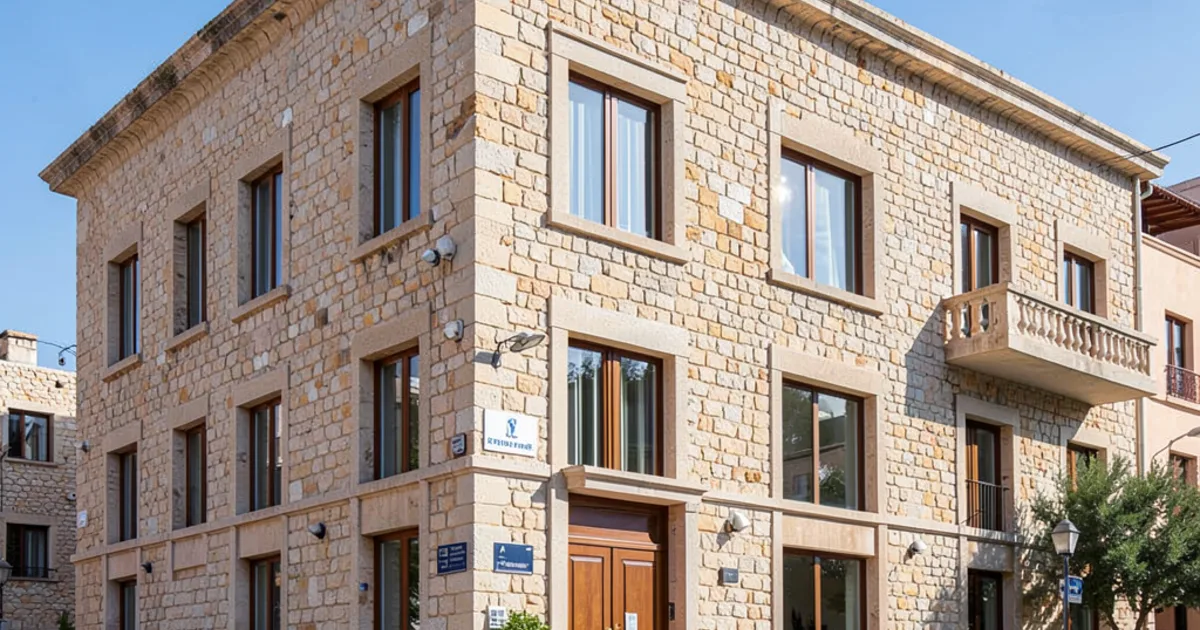
Netanya, with its stunning Mediterranean coastline and vibrant atmosphere, continues to attract a significant number of foreign buyers seeking a piece of the Israeli dream. From the luxurious high-rises of Ir Yamim to the charming streets of the city center, the appeal is undeniable. However, for those considering a property purchase, understanding the evolving landscape of Israeli mortgage regulations, particularly as they pertain to non-residents, is paramount. This comprehensive guide aims to demystify these rules, offering expert insights and practical advice to ensure a well-informed and successful investment in Netanya real estate.
- Understanding the Israeli Mortgage Landscape for Non-Residents
- Key Regulatory Changes Affecting Loan-to-Value (LTV) Ratios
- Impact of Interest Rate Policies on Foreign Buyer Mortgages
- Documentation Requirements and Due Diligence for Non-Residents
- The Role of Israeli Banks and Specialized Mortgage Brokers
- Understanding Purchase Tax (Mas Rekhisha) Implications
- The Binding Memorandum of Understanding and Legal Framework
- Currency Exchange and International Transfer Considerations
- Ongoing Costs: Arnona, Maintenance, and Property Management
- Considering Capital Gains Tax (Mas Shevah) on Future Sale
- Leveraging Local Expertise: Lawyers, Accountants, and Ulpan
Understanding the Israeli Mortgage Landscape for Non-Residents
The Israeli mortgage market, while robust, operates with distinct differences from many Western financial systems. For foreign buyers, securing a 'Mashkanta' (mortgage) involves navigating specific criteria and documentation requirements that can differ significantly from those applied to Israeli citizens. Banks assess non-resident applications with a particular lens, focusing on factors like income stability, asset verification, and the overall financial risk associated with cross-border transactions. It's not uncommon for lenders to require a more extensive financial history and potentially a higher down payment percentage from foreign applicants.
A key element to grasp is that Israeli banks are primarily regulated by the Bank of Israel, which sets overarching guidelines impacting lending practices across the board. These guidelines are designed to maintain financial stability and mitigate risks within the housing market. For foreign buyers, this often translates into a more conservative approach from lenders, necessitating thorough preparation and understanding of what constitutes an eligible application. The goal is to present a clear, comprehensive financial picture that instills confidence in the lending institution.
Furthermore, the definition of a 'non-resident' for mortgage purposes can sometimes be nuanced, depending on factors such as visa status, length of stay in Israel, and tax residency. It is always advisable to clarify your specific status with both legal counsel and potential lenders early in the process. This initial clarification can significantly streamline the application and prevent potential delays or misunderstandings down the line, ensuring that you are directed towards the appropriate mortgage products and requirements for your individual circumstances.
Key Regulatory Changes Affecting Loan-to-Value (LTV) Ratios
One of the most impactful areas of recent regulatory attention for foreign buyers revolves around Loan-to-Value (LTV) ratios. The Bank of Israel periodically adjusts these ratios to manage market dynamics, cool potential overheating, or stabilize lending practices. For non-residents, these adjustments can directly influence the maximum percentage of a property's value that a bank is willing to finance, thereby determining the minimum equity contribution required from the buyer.
Historically, foreign buyers have often faced stricter LTV limits compared to Israeli citizens, reflecting a perceived higher risk. While exact percentages fluctuate, it's common to see a requirement for a substantial down payment, often in the range of 30% to 50% or even higher for non-primary residences. These figures are not static and can be influenced by the specific property type, its location (e.g., Ir Yamim vs. older city center apartments), and the individual financial profile of the applicant. Buyers should anticipate needing a significant capital outlay upfront.
It is crucial for anyone considering a purchase in Netanya, whether in the vibrant areas near the seafront or the burgeoning neighborhoods like Kiryat HaSharon, to obtain the most current LTV information directly from prospective lenders. Relying on outdated figures can lead to significant financial miscalculations. Mortgage advisors specializing in foreign buyer transactions are invaluable in providing up-to-the-minute guidance and helping to structure your financing in alignment with prevailing LTV regulations, ensuring your financial planning is robust and realistic.
Impact of Interest Rate Policies on Foreign Buyer Mortgages
The Bank of Israel's monetary policy, particularly its decisions regarding the benchmark interest rate, has a direct and significant bearing on the cost of borrowing for all mortgage applicants, including foreign buyers. When interest rates rise, the cost of a Mashkanta generally increases, leading to higher monthly repayments. Conversely, a period of lower rates can make mortgages more affordable, stimulating demand. Foreign buyers, often dealing with currency conversions, also need to factor in exchange rate fluctuations alongside interest rate movements.
Israeli mortgages offer various interest rate structures, including fixed-rate, variable-rate, and prime-linked options. For foreign buyers, understanding the implications of each structure, especially in a dynamic interest rate environment, is crucial. A fixed-rate mortgage offers predictability in monthly payments, shielding the buyer from future rate hikes, but might come with a slightly higher initial rate. Variable rates, while potentially offering lower initial payments, expose the borrower to the risk of increased costs if rates climb.
Given the often longer-term nature of property investment, foreign buyers should carefully consider their risk tolerance and financial stability when choosing an interest rate structure. Consulting with a qualified Israeli mortgage broker is highly recommended to analyze the current economic climate, project potential rate changes, and select the most suitable mortgage product. This strategic choice can significantly impact the long-term affordability and overall financial success of your Netanya property investment, whether it's a holiday home in Poleg or a permanent residence.
Documentation Requirements and Due Diligence for Non-Residents
Securing a mortgage in Israel as a foreign buyer demands meticulous preparation of an extensive array of documents. Israeli banks require robust proof of identity, financial stability, and the legal right to purchase property. This typically includes an authenticated passport, proof of foreign residency, and comprehensive financial statements from your home country, often spanning several years. Banks need to be assured of the source of funds for the down payment and the ongoing ability to service the mortgage.
Beyond standard financial statements, foreign buyers should anticipate requests for recent tax returns from their country of residence, letters of employment or proof of business ownership, and detailed asset declarations. All foreign-language documents will require certified translation into Hebrew by a notary in Israel, adding another layer to the process. This emphasis on thorough documentation is a critical component of Israeli banking regulations, designed to prevent money laundering and ensure financial transparency.
Furthermore, banks will conduct their own due diligence on the property itself. This involves verifying the property's registration with the 'Tabu' (Israel Land Registry), checking for any liens or encumbrances, and assessing its market value through an independent appraisal. For buyers in areas like Nitza or Ir Yamim, where new constructions are common, ensuring all permits are in order and the developer has a solid track record is also part of this due diligence. A comprehensive approach to documentation and property verification is non-negotiable for a successful mortgage application.
The Role of Israeli Banks and Specialized Mortgage Brokers
While all major Israeli banks offer mortgage products, their specific policies and appetite for foreign buyer loans can vary. Some banks might have dedicated international departments with staff fluent in English and experienced in handling non-resident applications, potentially streamlining the process. It's advisable to explore several institutions to compare their offerings, terms, and the level of support they provide to foreign clients. Don't assume all banks offer the same products or have the same requirements.
For foreign buyers, engaging a specialized Israeli mortgage broker is often an invaluable step. These professionals possess an in-depth understanding of the Israeli mortgage market, including the nuances of regulations for non-residents. They can navigate the complexities of different bank requirements, identify the most suitable mortgage products, and assist in preparing a compelling loan application. Their expertise can save considerable time, reduce stress, and potentially secure more favorable terms.
A good mortgage broker acts as your advocate, bridging the gap between foreign financial systems and Israeli banking practices. They can help translate financial documents, clarify banking jargon, and negotiate on your behalf. Their fee structures typically involve a commission upon successful mortgage approval. For those investing in desirable Netanya locations, from the bustling city center to the quieter residential areas, a broker's guidance can be the difference between a smooth transaction and a frustrating ordeal.
Understanding Purchase Tax (Mas Rekhisha) Implications
Beyond the mortgage itself, foreign buyers must be acutely aware of 'Mas Rekhisha' (purchase tax), which is a significant component of the overall acquisition cost in Israel. The rates for purchase tax are tiered and can differ substantially for non-residents compared to Israeli citizens, particularly for what is considered a 'second property' or an investment property. These rates are subject to government policy changes and can be a substantial percentage of the property's value, sometimes reaching double-digit percentages for higher-value assets.
The Israeli tax authorities periodically review and adjust these brackets and percentages, influenced by economic factors and housing market policies. It is absolutely essential to obtain the most current purchase tax rates applicable to foreign buyers from a qualified Israeli tax advisor or real estate attorney. Miscalculating this tax can lead to significant financial surprises and impact the overall feasibility of your investment in Netanya.
For properties in highly sought-after areas such as Ir Yamim or along the Netanya seafront, where property values tend to be higher, the purchase tax can represent a very substantial sum. This tax is typically paid at the time of property registration (Tabu) and is a non-negotiable expense. Integrating this cost into your financial planning from the outset, alongside your mortgage considerations, is critical for a realistic budget and a smooth transaction.
The Binding Memorandum of Understanding and Legal Framework
Before even applying for a mortgage, foreign buyers in Netanya will typically enter into a 'binding memorandum of understanding' or a preliminary agreement ('Zichron Devarim') with the seller. This document, while often less formal than a full contract, can be legally binding and outline key terms of the sale, including the purchase price, payment schedule, and target closing date. It is imperative that foreign buyers engage an independent Israeli real estate attorney to review and advise on any such preliminary agreement before signing.
The legal framework governing property transactions in Israel is robust, with an emphasis on protecting both buyers and sellers. Your attorney will conduct thorough due diligence on the property, verifying its legal status, checking for any outstanding debts or claims, and ensuring clear title at the Tabu. This includes scrutinizing building permits, ensuring compliance with zoning regulations, and verifying that the seller has the legal right to transfer ownership. This legal scrutiny is vital for properties in any Netanya neighborhood, from the new builds in Kiryat HaSharon to older, potentially renovated apartments in the city center.
For foreign buyers, understanding the legal nuances of the full purchase contract is especially important. This contract will detail all aspects of the sale, including payment milestones, conditions for transfer of ownership, and responsibilities of each party. Ensuring that the contract adequately protects your interests, particularly regarding financing contingencies and potential delays, is a primary role of your legal counsel. They will guide you through the entire process, from the initial offer to the final registration of ownership at the Tabu.
Currency Exchange and International Transfer Considerations
Foreign buyers will inevitably face currency exchange considerations when purchasing property in Netanya. The majority of property transactions in Israel are conducted in Israeli New Shekels (NIS), meaning funds transferred from abroad will need to be converted. Exchange rates can fluctuate, and even small movements can significantly impact the total cost of the property in your home currency. It's wise to monitor exchange rates and consider strategies to mitigate currency risk.
Banks and specialized foreign exchange services offer various options for international money transfers. While your home bank can facilitate transfers, dedicated FX services often provide more competitive exchange rates and lower transfer fees, which can result in substantial savings on large sums. Planning these transfers well in advance is crucial, as large international transfers can sometimes take several business days to clear, potentially impacting payment deadlines outlined in your purchase agreement.
It is also important to be aware of any reporting requirements for large international transfers, both in your home country and in Israel. Financial institutions are obligated to report transactions above certain thresholds to prevent illicit activities. Ensuring all transfers are legitimate and properly documented is essential for compliance and to avoid any unnecessary scrutiny or delays. Work with your bank and legal advisor to understand and fulfill all necessary reporting obligations.
Ongoing Costs: Arnona, Maintenance, and Property Management
Beyond the purchase price and mortgage payments, foreign buyers in Netanya must budget for ongoing property ownership costs. 'Arnona' is the municipal property tax, paid to the Netanya municipality, and its amount varies based on the property's size, location (e.g., beachfront vs. inland), and designated use. It's a recurring expense that needs to be factored into your annual budget. Newer buildings, especially in areas like Ir Yamim, often have higher Arnona rates reflecting their modern amenities and potentially larger size.
Maintenance fees ('Va'ad Bayit') are another significant ongoing cost, particularly for apartments in multi-unit buildings. These fees cover the upkeep of common areas, elevators, gardens, and sometimes security services. In upscale buildings along the Netanya seafront or in luxury developments, these fees can be substantial. Understanding the scope of services covered and the historical trend of these fees is important during your due diligence phase.
For foreign buyers who do not reside in Netanya full-time, engaging a reliable property management company is often a wise investment. These companies can handle various tasks, including collecting rent (if applicable), managing repairs, paying bills like Arnona and utilities, and overseeing the property in your absence. This service provides peace of mind and ensures your investment is well-maintained, whether it's a holiday rental in Poleg or a long-term asset.
Considering Capital Gains Tax (Mas Shevah) on Future Sale
While primarily focused on the purchase, foreign buyers should also consider the implications of 'Mas Shevah' (capital gains tax) on any future sale of their Netanya property. Israel levies capital gains tax on profits made from selling real estate. The rate and exemptions can vary significantly based on whether the property is considered a primary residence, an investment property, and the length of ownership. For foreign buyers, the rules can be particularly complex.
Generally, non-residents are subject to capital gains tax on the sale of Israeli real estate, even if they are not tax residents of Israel. The calculation involves various factors, including the original purchase price, allowable expenses (such as legal fees, real estate agent commissions, and certain renovation costs), and the sale price. It is crucial to maintain meticulous records of all acquisition and improvement costs to accurately calculate the taxable gain.
Consulting with an Israeli tax advisor specializing in international real estate is highly recommended both at the time of purchase and prior to any potential sale. They can provide tailored advice on minimizing tax liabilities within the legal framework, understanding available exemptions, and ensuring compliance with all reporting requirements. Proactive tax planning can significantly impact the net return on your Netanya real estate investment.
Leveraging Local Expertise: Lawyers, Accountants, and Ulpan
Successfully navigating the Israeli real estate market as a foreign buyer in Netanya necessitates leveraging a team of trusted local experts. An experienced Israeli real estate lawyer is indispensable from the moment you consider an offer through to the final registration of your property at the Tabu. They will ensure all legal aspects are compliant, protect your interests, and guide you through the intricate contractual processes, including the binding memorandum.
An Israeli accountant or tax advisor is equally crucial, particularly for understanding your ongoing tax obligations (such as Arnona) and planning for future capital gains tax (Mas Shevah). They can help optimize your financial structure, ensuring compliance with Israeli tax laws, and advise on any double taxation treaties that might exist between Israel and your home country. Their expertise helps you manage the financial implications of your investment effectively.
While not directly related to regulations, considering an 'Ulpan' (Hebrew language school) or engaging in language learning can significantly enhance your experience as a foreign buyer and future property owner in Netanya. While many professionals speak English, a basic understanding of Hebrew can facilitate interactions with local service providers, neighbors, and the municipality, making your integration into the vibrant Netanya community smoother and more rewarding.
Netanya's diverse neighborhoods, from the bustling city center to the serene beachfront, offer a variety of living experiences. With careful planning and the right professional guidance, foreign buyers can successfully navigate the regulatory landscape and secure their ideal property in this seaside favourite.
FAQ
Can foreign buyers get a mortgage in Israel without being a resident?
Yes, foreign buyers can secure a mortgage in Israel, but they typically face stricter criteria, higher down payment requirements, and a more rigorous documentation process compared to Israeli citizens. Specialized mortgage brokers can greatly assist in this process.
What is the typical down payment percentage for a foreign buyer in Netanya?
While specific percentages vary and are subject to change, foreign buyers should generally anticipate needing a substantial down payment, often in the range of 30% to 50% or more, depending on the property and bank policies. It's crucial to confirm current LTV ratios with lenders.
Are there any specific taxes foreign buyers need to know about in Netanya?
Foreign buyers must be aware of 'Mas Rekhisha' (purchase tax), which can be a significant percentage of the property's value and is often higher for non-residents. Additionally, 'Arnona' (municipal property tax) and 'Mas Shevah' (capital gains tax on future sale) are important considerations.
Do I need an Israeli lawyer to buy property in Netanya as a foreign buyer?
Absolutely. Engaging an independent Israeli real estate lawyer is essential. They will conduct due diligence, review all contracts (including the binding memorandum), ensure legal compliance, and protect your interests throughout the entire purchase process, from offer to Tabu registration.
Get your personalised shortlist
Listings and up-to-date info, straight to your inbox, free, no obligation.
See Netanya homes →