What are the practicalities of setting up utilities and internet for a new apartment in Netanya for an English-speaking immigrant?
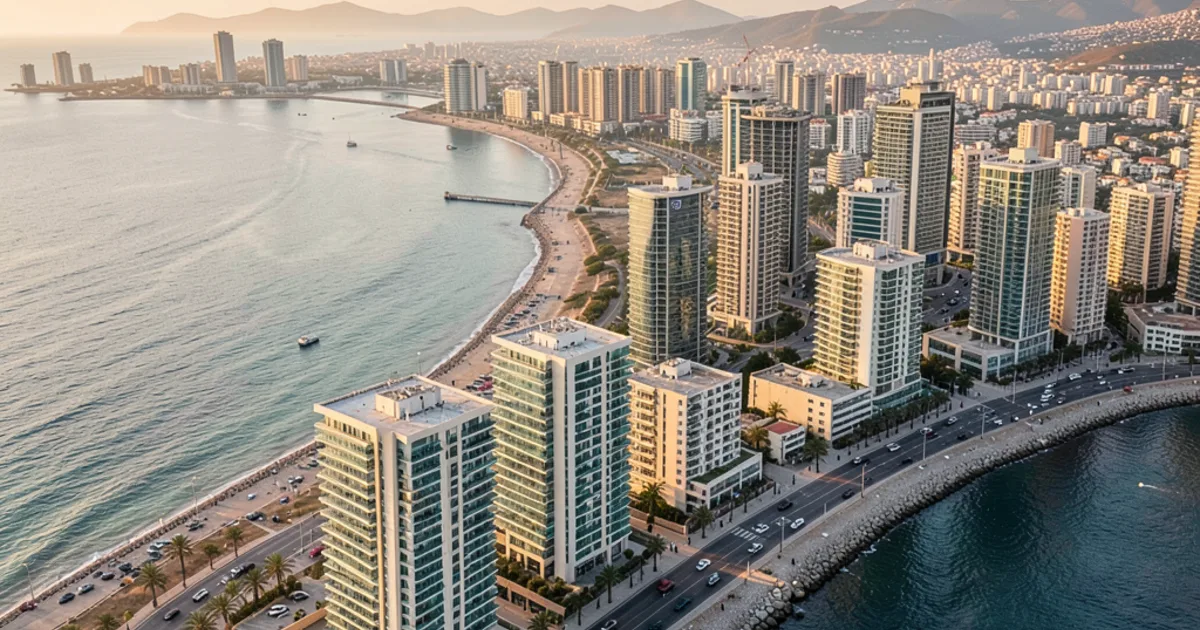
Moving to a new country, especially one with a different language and administrative system, presents a unique set of challenges. For English-speaking immigrants establishing a new life in Netanya, a city known for its beautiful coastline, vibrant community, and welcoming atmosphere, setting up essential household services like electricity, water, gas, and internet is a critical first step. This comprehensive guide from NetanyaRealEstate is designed to demystify the process, offering practical, step-by-step advice to ensure a smooth transition into your new apartment, whether it's in the bustling Ir Yamim, the serene Poleg, the central Kiryat HaSharon, or near the lively Nitza seafront.
- Understanding the Israeli Utility Landscape: Key Providers and Terminology
- Electricity Setup: Connecting to the Israel Electric Corporation (IEC)
- Water Services: Municipality Billing and Shared Systems
- Gas Supply: Options for Cooking and Heating
- Internet and Communications: A Competitive Market
- Opening an Israeli Bank Account: A Prerequisite for Utility Payments
- The Importance of Your Israeli ID (Teudat Zehut)
- Navigating Rental Agreements and Property Ownership: Utility Implications
- Leveraging Local Resources and Assistance for English Speakers
- Troubleshooting Common Issues and Ongoing Management
- Budgeting for Utilities: Understanding Typical Costs
- The Role of Your Real Estate Agent: More Than Just Finding a Home
Understanding the Israeli Utility Landscape: Key Providers and Terminology
Before diving into the specifics of setting up each utility, it's crucial for new immigrants to grasp the general structure of utility provision in Israel. Unlike some countries with a multitude of competing providers for each service, Israel often features primary national companies for core utilities like electricity and water, with more competitive markets for gas and internet. Familiarity with these key players and their roles will significantly streamline your setup process, especially as an English speaker navigating a Hebrew-dominant environment.
The language barrier can be a significant hurdle, but many of these larger utility companies do offer English-speaking customer service representatives, particularly if you persist in your request. It's also beneficial to learn a few key Hebrew terms related to utilities, such as 'Chashmal' for electricity, 'Mayim' for water, 'Gas' for gas, and 'Internet' for internet, as this can aid in basic communication. Understanding that these services are generally billed monthly or bi-monthly is also important for budgeting and financial planning.
Furthermore, be aware that while some services are directly billed by the provider, others, like water and sometimes gas, might be included in your 'Arnona' (municipal property tax) bill or managed through a building committee for shared services. Clarifying these details with your landlord, real estate agent, or a trusted local can prevent confusion and ensure you're paying for what you use. The administrative nuances can vary slightly depending on whether you're renting or have purchased your property, impacting the initial setup and ongoing management.
Electricity Setup: Connecting to the Israel Electric Corporation (IEC)
Electricity in Israel is exclusively provided by the Israel Electric Corporation (IEC), known locally as 'Chever HaHashmal'. For a new apartment, whether rented or purchased, the process usually involves transferring the existing account into your name or initiating a new connection if it's a brand-new build. This is a fundamental step as electricity powers virtually every aspect of modern living, from lighting and appliances to heating and cooling.
To initiate the transfer or connection, you will typically need your Israeli ID number (Teudat Zehut), the meter number (which can usually be found on the meter itself or provided by your landlord/seller), and the exact address of the property. It's advisable to have a copy of your rental agreement or purchase contract readily available, as this may be requested as proof of occupancy. The IEC usually allows for online registration or phone registration, with some offices offering in-person service, although this can be more time-consuming.
Upon successful registration, you will receive regular bills, typically every two months, outlining your consumption and charges. Payment options generally include direct debit from an Israeli bank account, credit card, or payment at post offices. It's crucial to ensure your meter readings are accurate when you move in to avoid being charged for previous consumption. Taking a photo of the meter reading on your move-in day is a good practice to have as a reference.
Consider also the type of electricity meter your apartment has. While most are standard, some newer buildings, particularly in areas like Ir Yamim or Poleg, might feature 'smart meters' that provide more detailed consumption data. Regardless, understanding your consumption patterns can help manage your electricity costs effectively.
Water Services: Municipality Billing and Shared Systems
Water supply in Netanya, like in most Israeli cities, is managed by the local municipality or a designated municipal water corporation. The billing for water is often integrated with your Arnona (municipal property tax) bill, especially for residential properties. This means you won't typically set up a separate account with a distinct water company, but rather ensure your details are correctly registered with the Netanya Municipality.
When moving into a new apartment, it's essential to confirm with your landlord, real estate agent, or the previous owner how water billing is handled. If it's part of the Arnona, you'll need to ensure your name is on the Arnona account. If there's a separate water meter for your unit and a specific water corporation handles billing, you'll transfer the account similarly to electricity, requiring your ID and meter number. In apartment buildings, especially older ones, there might be a shared building meter, with costs divided among residents by the building committee, though this is becoming less common with individual meters.
Water bills are usually issued bi-monthly or quarterly, based on consumption measured by your water meter. These bills will detail your usage, charges, and often include a portion for sewage services. It's important to monitor your water usage, as Israel is a water-scarce country, and conservation is encouraged. Any leaks in your apartment should be addressed promptly, not only for environmental reasons but also to avoid unexpectedly high bills.
For English-speaking immigrants, inquiring about English-speaking assistance at the municipal offices for Arnona and water billing can be helpful. While not always guaranteed, larger municipalities like Netanya are often accustomed to assisting new immigrants with administrative tasks. Having a Hebrew-speaking friend or an 'ulpan' (Hebrew language school) contact accompany you can also be invaluable for initial setup.
Gas Supply: Options for Cooking and Heating
Gas services in Israel are primarily used for cooking and, in some cases, for water heating. Unlike electricity and water, the gas market offers a few competing providers, though the infrastructure itself is often shared. The two main types of gas supply are bottled gas (propane/butane) delivered to individual tanks, common in older buildings or houses, and piped natural gas, increasingly prevalent in newer constructions, particularly in areas like Ir Yamim and Kiryat HaSharon.
If your apartment uses bottled gas, you'll need to contact a gas company (e.g., Pazgas, Amisragas, Supergas) to set up an account. They will typically require your ID, address, and potentially a signed contract. New installations might involve a service visit to connect the bottles to your appliances. For piped natural gas, the process is similar to electricity: you'll transfer an existing account or initiate a new one with the building's designated provider, often requiring your ID and meter number.
Gas bills are usually issued bi-monthly or quarterly, based on your consumption. It's crucial to understand the pricing structure, which can include a fixed monthly fee in addition to usage charges. Safety is paramount with gas; ensure all appliances are properly installed and maintained. If you detect a gas smell, immediately contact your gas provider's emergency line.
When moving in, especially if renting, clarify with your landlord which gas company serves the property and if there are any existing contracts. This will save you time and effort in identifying the correct provider. English-speaking customer service can be more challenging to find with smaller gas companies, so prepare to use translation apps or seek assistance from a Hebrew speaker if needed.
Internet and Communications: A Competitive Market
The internet and communications market in Israel is significantly more competitive than core utilities, offering a wide array of providers for internet, television, and landline phone services. This competition generally translates to better prices and a broader range of packages, which is excellent news for English-speaking immigrants looking for reliable and affordable connectivity. Major players include Bezeq, HOT, Partner, Cellcom, and smaller ISPs (Internet Service Providers) like 012 Smile, 013 Netvision, and others.
Setting up internet involves two main components: infrastructure and an ISP. Bezeq and HOT are the primary infrastructure providers, owning the physical lines to your apartment. You'll typically choose an infrastructure provider first, and then an ISP to provide the actual internet service over those lines. However, many companies now offer 'bundled' packages that include both infrastructure and ISP services, simplifying the process. Fiber optic internet is becoming increasingly available, particularly in newer developments like Ir Yamim, offering significantly faster speeds.
When choosing a provider, consider factors such as download/upload speeds, monthly cost, contract duration, customer service availability (especially in English), and any bundled services like TV or landline. It's highly recommended to compare offers from several companies, as promotions and discounts are common. Many providers have dedicated English-speaking sales and support teams, recognizing the significant immigrant population in cities like Netanya.
To set up service, you'll need your Israeli ID number, address, and an Israeli bank account for direct debit payments. Installation usually requires a technician visit, so plan accordingly. Ensure you confirm the installation date and time, and if possible, have a Hebrew speaker present during the visit to facilitate communication. Don't hesitate to ask about specific router models and Wi-Fi coverage for your apartment size.
Opening an Israeli Bank Account: A Prerequisite for Utility Payments
One of the most fundamental steps for any immigrant settling in Netanya is opening an Israeli bank account. This is not merely a convenience but a practical necessity for paying utility bills, receiving salaries, and managing daily finances. Most utility providers in Israel primarily operate through direct debit ('Hora'at Keva') from an Israeli bank account, making it the most straightforward and often required payment method.
Major banks in Israel include Bank Leumi, Bank Hapoalim, Discount Bank, Mizrahi Tefahot, and First International Bank. Each offers various account types, and many branches in cities with large immigrant populations, such as Netanya, will have English-speaking staff or dedicated immigrant services. To open an account, you will typically need your Teudat Zehut (Israeli ID card), your visa or entry permit (if applicable), and possibly proof of address, such as a rental agreement or a letter from your ulpan.
It's advisable to research different banks and their fees, online banking capabilities, and customer service options before making a choice. Some banks may also offer special packages or benefits for new immigrants. Once your account is open, you can then set up the direct debits for your electricity, water (if separate), gas, and internet providers, ensuring timely payments and avoiding service interruptions.
Remember to inform your bank when you set up direct debits so they are aware of recurring transactions. Also, ensure you understand the online banking interface, as this will be your primary tool for managing your finances and tracking utility payments. Don't hesitate to ask for a tutorial from the bank staff during your initial setup.
The Importance of Your Israeli ID (Teudat Zehut)
For English-speaking immigrants, the Teudat Zehut, or Israeli ID card, is far more than just a piece of identification; it is your passport to accessing virtually every essential service in the country. From setting up utilities and opening a bank account to signing rental agreements and even registering for an 'ulpan', your Teudat Zehut number will be requested repeatedly. Understanding its significance and ensuring you obtain it promptly is paramount.
The process of obtaining your Teudat Zehut usually begins shortly after your arrival, typically through the Ministry of Interior ('Misrad Hapnim'). The exact procedure can vary based on your immigration status (e.g., Oleh Chadash, temporary resident). It's crucial to schedule an appointment and gather all necessary documentation, which often includes your passport, birth certificate, and marriage certificate if applicable. Be prepared for potential waiting times, as the Misrad Hapnim can be busy.
Once you have your Teudat Zehut, always keep the number handy. It will be the primary identifier for all your utility accounts. When communicating with customer service representatives, providing this number upfront can often expedite the process, especially when dealing with companies less accustomed to assisting non-Hebrew speakers. It serves as your unique customer reference across various organizations.
Without a Teudat Zehut, setting up utilities can be significantly more challenging, if not impossible, as providers require a valid Israeli identification number to register accounts. Therefore, prioritizing its acquisition should be at the top of your to-do list upon arrival in Netanya, ensuring a smoother transition into managing your household services.
Navigating Rental Agreements and Property Ownership: Utility Implications
Whether you are renting an apartment or have purchased your new home in Netanya, the specifics of your tenancy or ownership will have direct implications for utility setup and management. For renters, the lease agreement ('Chuze Schira') is a critical document, outlining responsibilities for utility payments. For owners, understanding concepts like 'Tabu' (land registry) and the various taxes like 'Mas Rekhisha' (purchase tax) and 'Mas Shevah' (capital gains tax) is fundamental, though less directly related to utility setup.
If you are renting, your lease agreement should explicitly state who is responsible for transferring and paying for each utility. Typically, tenants are responsible for electricity, gas, and internet, while water might be included in the Arnona paid by the tenant or sometimes by the landlord, especially in older buildings. Always clarify these points with your landlord or real estate agent before signing anything. Ensure the previous tenant's accounts are closed and new ones are opened in your name to avoid inheriting their debts.
For property owners, once the purchase process is complete (and this can be a complex journey involving lawyers, 'Mashkanta' mortgage brokers, and registration at the Tabu), transferring utility accounts into your name is a straightforward administrative task. You will need your purchase contract as proof of ownership, in addition to your Teudat Zehut. It's crucial to ensure all previous owner accounts are closed and meters are read accurately on the day of transfer.
Regardless of whether you rent or own, proactive communication with your landlord, real estate agent, or the seller's lawyer is key. They can often provide meter numbers, previous account details, and even assist with initial contact with utility companies. Having a clear understanding of your responsibilities from the outset will prevent misunderstandings and unnecessary stress when dealing with essential household services.
Leveraging Local Resources and Assistance for English Speakers
As an English-speaking immigrant in Netanya, you are not alone in navigating these administrative hurdles. The city, particularly with its significant English-speaking population in areas like Ir Yamim and along the Nitza seafront, offers various resources to assist new arrivals. Leveraging these can significantly ease the process of setting up utilities and other services.
Many organizations cater to new immigrants ('Olim Chadashim'), providing guidance on everything from finding an 'ulpan' to understanding local bureaucracy. While not directly setting up your utilities, they can offer invaluable advice, suggest reliable Hebrew-speaking volunteers, or point you towards specific branches of utility companies known for English-speaking staff. Your real estate agent from NetanyaRealEstate is also a prime resource, often having experience assisting numerous immigrants with these practicalities.
Online forums and social media groups for English-speaking immigrants in Netanya or Israel generally are excellent platforms to ask questions, share experiences, and get recommendations for service providers or helpful contacts. You'll often find others who have successfully navigated the same challenges and are willing to offer advice or even direct assistance. These communities can be particularly supportive for finding information on local peculiarities in areas like Kiryat HaSharon or the city center.
Finally, don't underestimate the power of simply asking. When calling utility companies, always politely ask if they have an English-speaking representative. While not always available immediately, many companies do have such staff, and you might be transferred to someone who can assist you. Patience and persistence are key, and remember that with a little effort, these initial setups will soon become a distant memory as you enjoy your new life in Netanya.
Troubleshooting Common Issues and Ongoing Management
Even with the best preparation, new immigrants might encounter occasional issues when setting up or managing their utilities in Netanya. Anticipating these common challenges and knowing how to troubleshoot them can save considerable stress. From unexpected bills to service interruptions, understanding the typical recourse is crucial for ongoing household management.
One common issue is receiving a higher-than-expected bill. This could be due to an incorrect meter reading, a leak (especially for water), or simply higher consumption than anticipated. In such cases, contact the relevant utility company immediately. Request a re-reading of your meter or an explanation of the charges. For water leaks, a plumber can be called, and sometimes the municipality offers a discount on excess water usage if a leak is promptly fixed.
Service interruptions, although rare, can occur. For electricity outages, check the IEC website or app for reported outages in your area. For internet issues, first, troubleshoot your router and then contact your ISP's technical support. Having their emergency contact numbers readily accessible is always a good idea. Remember that during national holidays or specific events, utility services might have reduced operating hours.
For ongoing management, it's advisable to regularly check your utility bills against your consumption patterns and ensure your direct debits are being processed correctly. Keep a record of your account numbers and contact details for each provider. If you move apartments within Netanya or elsewhere in Israel, remember to close your old accounts and open new ones, ensuring a smooth transition and avoiding any lingering charges.
Budgeting for Utilities: Understanding Typical Costs
As an English-speaking immigrant establishing a new home in Netanya, understanding and budgeting for utility costs is an essential aspect of financial planning. While exact figures are impossible to provide due to varying consumption, apartment size, and family needs, you can anticipate certain cost structures and ranges. This foresight will help you manage your monthly expenses effectively and avoid unexpected financial burdens.
Electricity costs are primarily usage-based, with rates per kilowatt-hour. Factors influencing your bill include the number of air conditioners, heating usage in winter, and overall appliance consumption. Water bills depend on your household size and usage, with rates often increasing in tiers for higher consumption. Gas costs are generally lower if used only for cooking but can increase significantly if also used for water heating.
Internet and communications packages offer a wide range of prices depending on speed, bundled services (TV, landline), and promotional offers. It's advisable to factor in a monthly range for these services, keeping in mind that introductory offers often expire after a year, leading to potential price increases. Arnona, the municipal property tax, is a significant recurring expense that often includes a component for water and waste management, and its cost varies greatly based on apartment size and location (e.g., Ir Yamim vs. older city center areas).
It's prudent to allocate a conservative estimate for your monthly utility budget during your first few months, allowing for adjustments as you become familiar with your actual consumption. Don't forget to factor in potential one-time installation fees for internet or gas. Speaking with other immigrants or locals about their average utility expenses can also provide valuable context, but always remember that individual circumstances vary.
The Role of Your Real Estate Agent: More Than Just Finding a Home
When you work with a trusted real estate agency like NetanyaRealEstate, our role extends far beyond simply helping you find the perfect apartment in Netanya, whether it's a modern flat in Ir Yamim, a serene property in Poleg, or a vibrant seafront residence. As English-speaking advisors, we understand the intricacies of relocating to Israel and are committed to providing comprehensive support throughout your entire transition. Our expertise becomes particularly valuable when navigating the often-complex world of utility setup.
Your NetanyaRealEstate agent can serve as an invaluable first point of contact for many of your utility-related questions. We can often provide you with meter numbers for electricity and water, details of existing gas providers, and recommendations for reliable internet and communication companies that cater to English speakers. We can also clarify aspects of your rental agreement or purchase contract that pertain to utility responsibilities, ensuring you understand your obligations from day one.
Furthermore, we can connect you with other local resources, such as reputable 'ulpanim' that offer practical advice, or even suggest local contacts who can assist with initial phone calls or administrative tasks if language barriers prove challenging. Our goal is to make your move as smooth and stress-free as possible, allowing you to focus on settling into your new community and enjoying all that Netanya has to offer.
By leveraging the local knowledge and experience of your NetanyaRealEstate agent, you gain a significant advantage in successfully setting up all your essential household services. We act as your guide, helping you bridge the gap between finding a home and making it truly livable, ensuring that your transition to life in Netanya is as seamless as possible.
FAQ
Can I set up utilities before I have my Teudat Zehut (Israeli ID)?
While it's challenging, some providers might allow temporary setup with your passport and visa, but having your Teudat Zehut is highly recommended and eventually required. It streamlines the process significantly for all services.
Are there English-speaking customer service options for all utility companies?
Most major companies like IEC and the larger internet providers offer English-speaking representatives, though you might need to specifically request one. Smaller gas or municipal services may be more challenging, so preparing a translation app or having a Hebrew speaker assist is often helpful.
What if my new apartment in Netanya doesn't have an existing internet connection?
If there's no pre-existing connection, the internet provider (e.g., Bezeq or HOT for infrastructure) will send a technician to install the necessary lines. This might involve an additional installation fee and can take a few days to schedule.
How do I pay my utility bills in Netanya?
The most common method is direct debit ('Hora'at Keva') from an Israeli bank account. Other options may include credit card payments, online banking, or payment at post offices, depending on the specific utility provider.
Is it better to rent or buy in Netanya for ease of utility setup?
For utility setup specifically, there isn't a significant difference in complexity. Both require transferring accounts or opening new ones. The main difference lies in who is responsible for initiating the transfers, the tenant for renters, or the new owner for buyers. Your real estate agent will guide you through either scenario.
Get your personalised shortlist
Listings and up-to-date info, straight to your inbox, free, no obligation.
See Netanya homes →